
ARTICLES
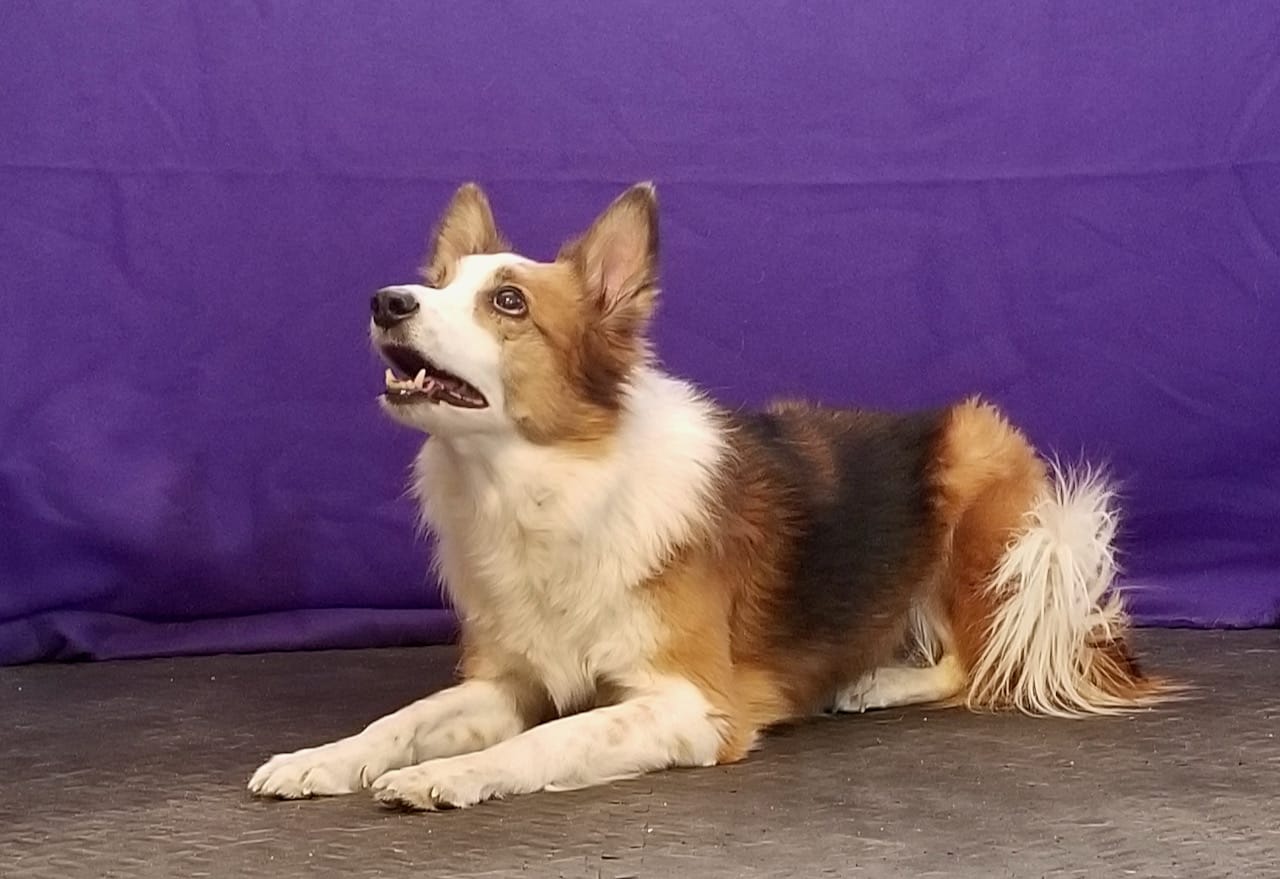
5 Reasons to Start A Dog Training Session With a Known Task
Starting your dog training session with a behavior your dog already knows has a ton of benefits.

A Startling Confession About My Dog Training
The keys to training a specific behavior are to reward where it happens, while it is happening, and be consistent with both rewards and resets.
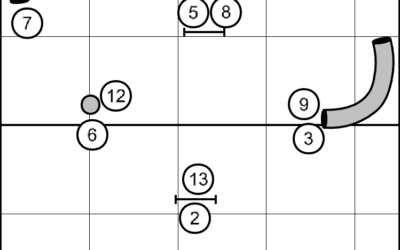
7 Methods for Memorizing Dog Agility Courses
If you have difficulty memorizing dog agility courses or exercises, here are seven ideas to help make your life easier.
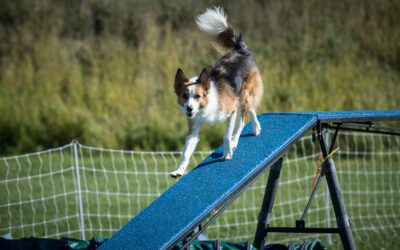
Time to Stop Telling Dog Agility Handlers to “Run Faster”
Not everyone who participates in agility can run. Matching the right instructor with the right student benefits both of them.

Which Type of Online Learner Are You?
Find out which type of online learner you are and get tips for actually completing your courses and implementing what you’ve learned.
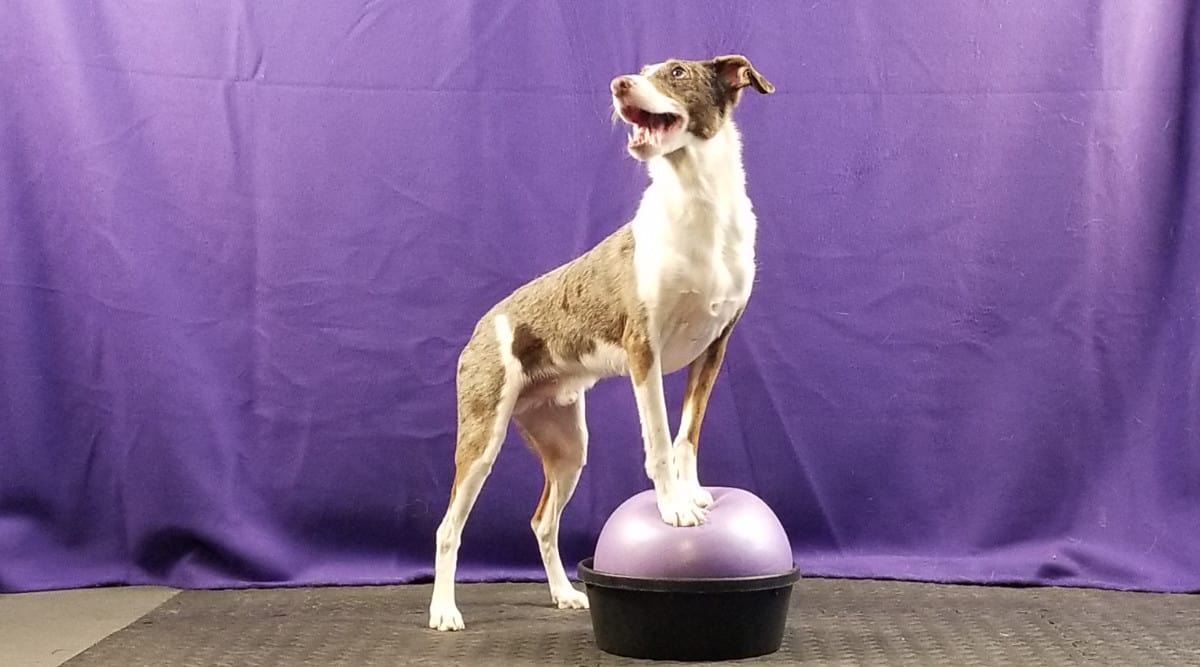
How Can Tricks Supercharge Your Agility Journey?
Teaching your agility dog tricks builds your relationship, communication, and much, much more.
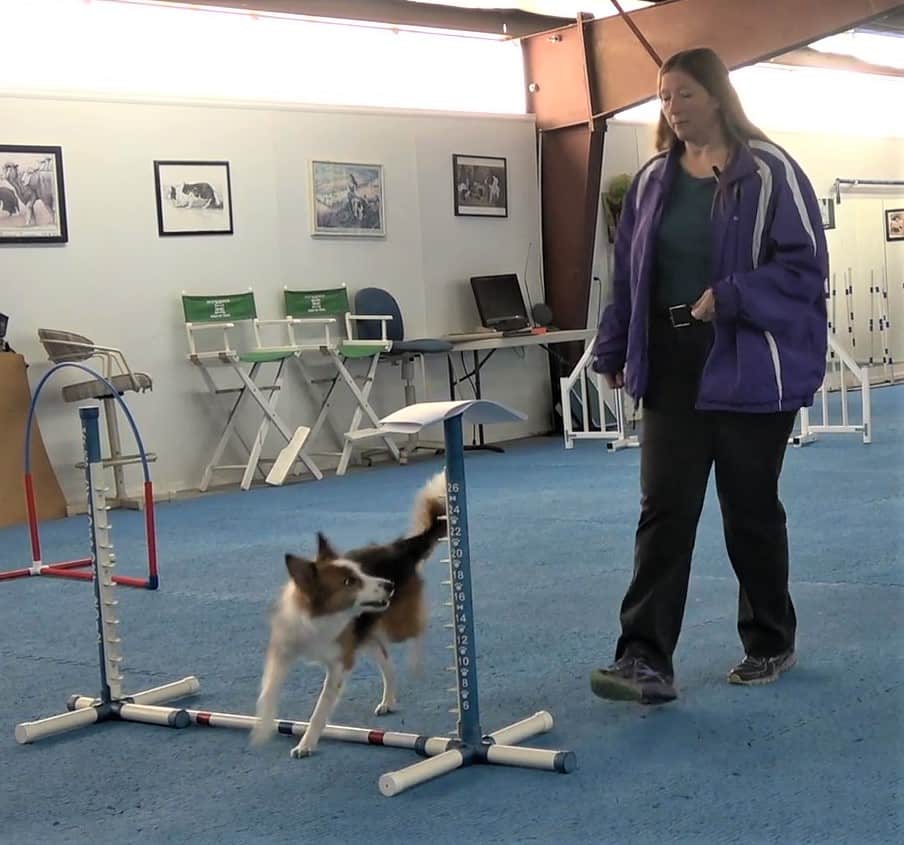
How to Find a Good Dog Agility Seminar
Before you sign up for that dog agility or tricks seminar, these are the things you should find out.
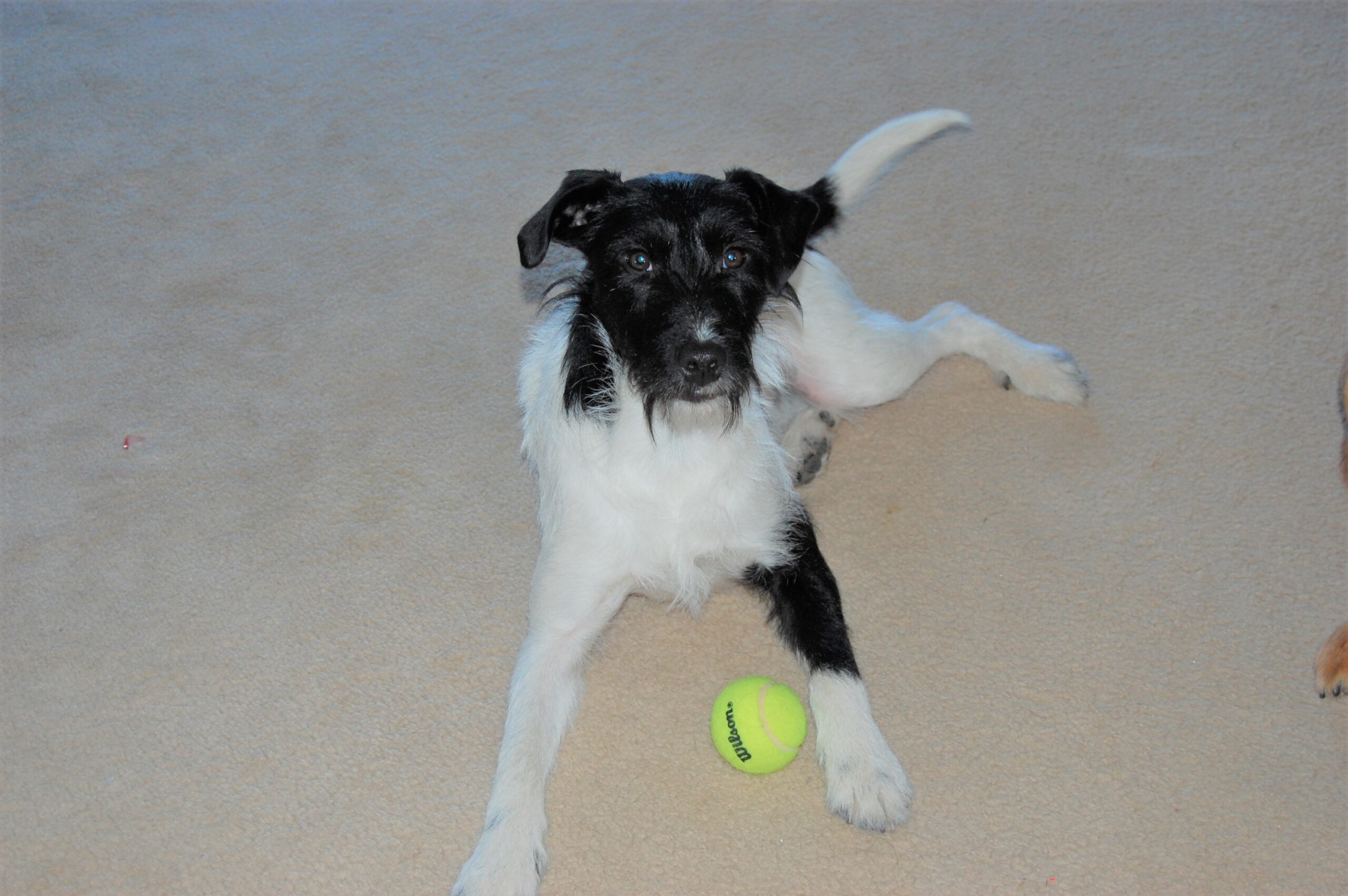
Why You Should Use “Screw Up” Cookies During Agility Training
Find out why your agility or trick dog deserves “screw up” cookies!

Is Your Dog “Stubborn”?
Is your dog truly stubborn? Or is there something else going on?
3 Reasons to Keep a List of Your Cues
Here are three reasons you should keep a list of your cues when you train your dog.
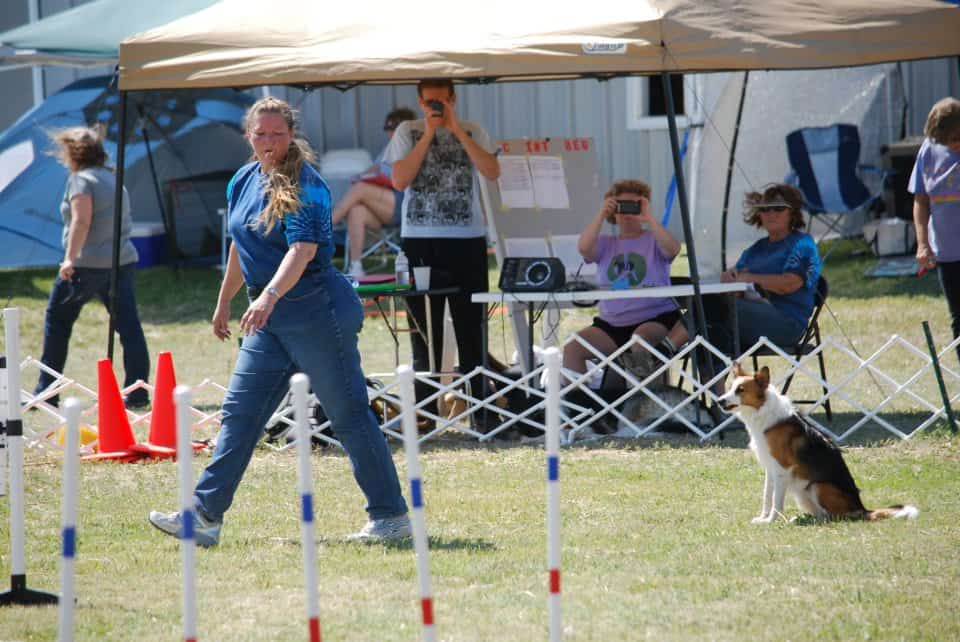
Set Your Dog Up for Success at the Start Line
The success of your run in dog agility begins at the start line. Here’s how to set your dog up right.
Behind the Scenes – Publishing an Agility Book About Distance Handling
Ever wonder what it takes to publish a dog training book? Read this article to find out!
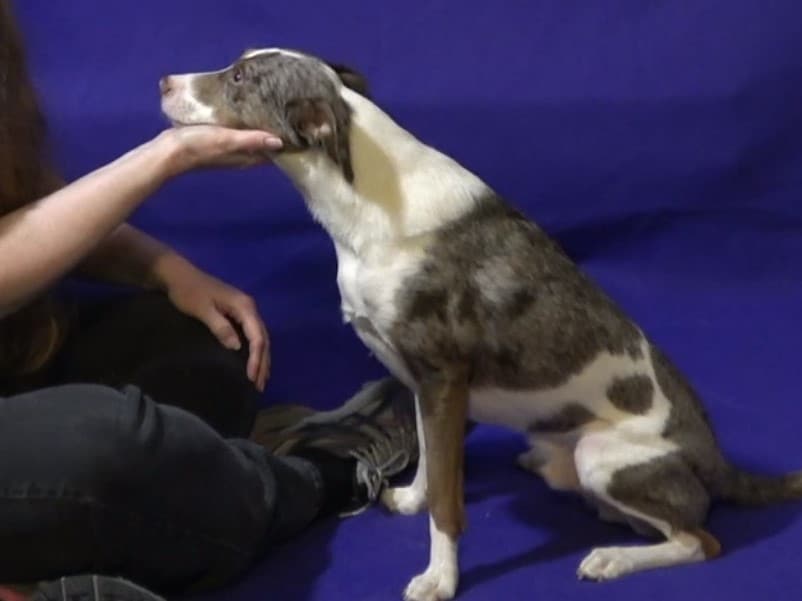
Do You Have to End Your Dog Training Session With Success?
When you are training your dog, does every session have to end with success? Learn the answer in this article.

Dealing With Losing a Pet
When you lose a beloved pet, you may feel like nobody understands. Here are some ways you can cope with your loss.
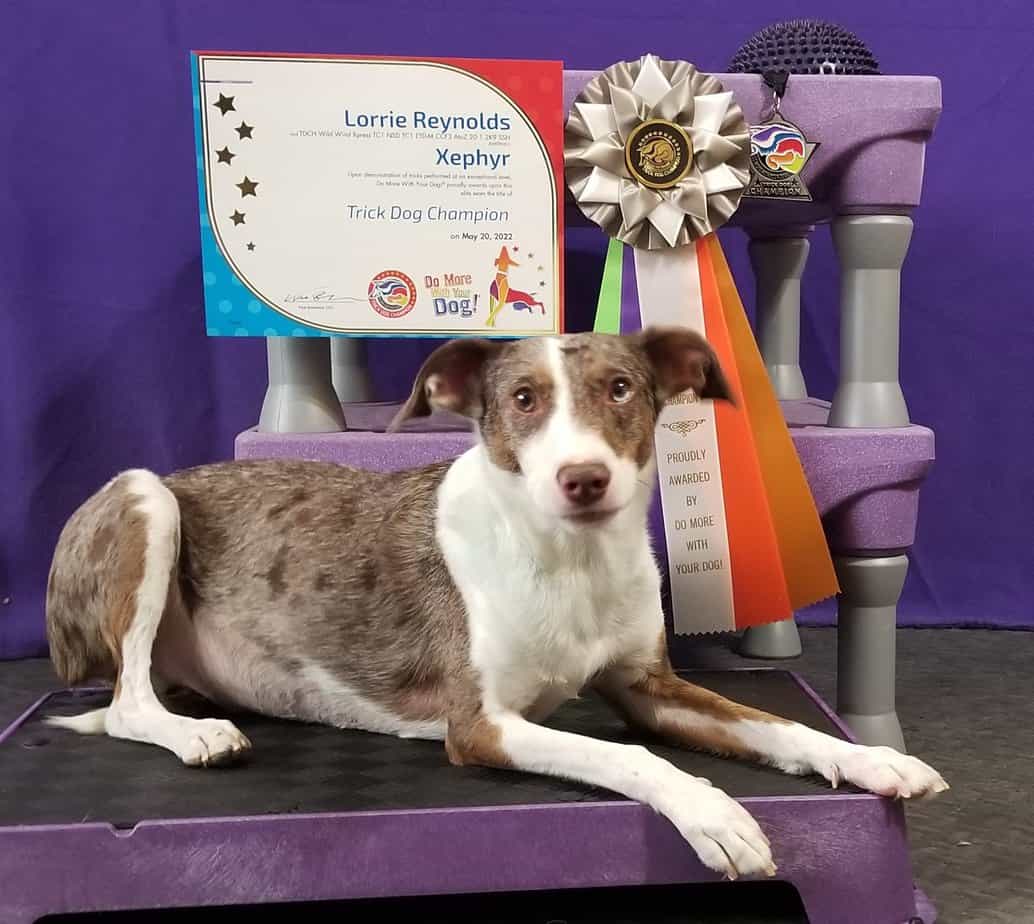
7 Reasons to Video Your Dog Training Sessions
Should you video your dog training sessions? YES! Read this article for 7 reasons why.
Should You REALLY Trial Like You Train?
A common dog agility mantra is “trial like you train”. Should you?
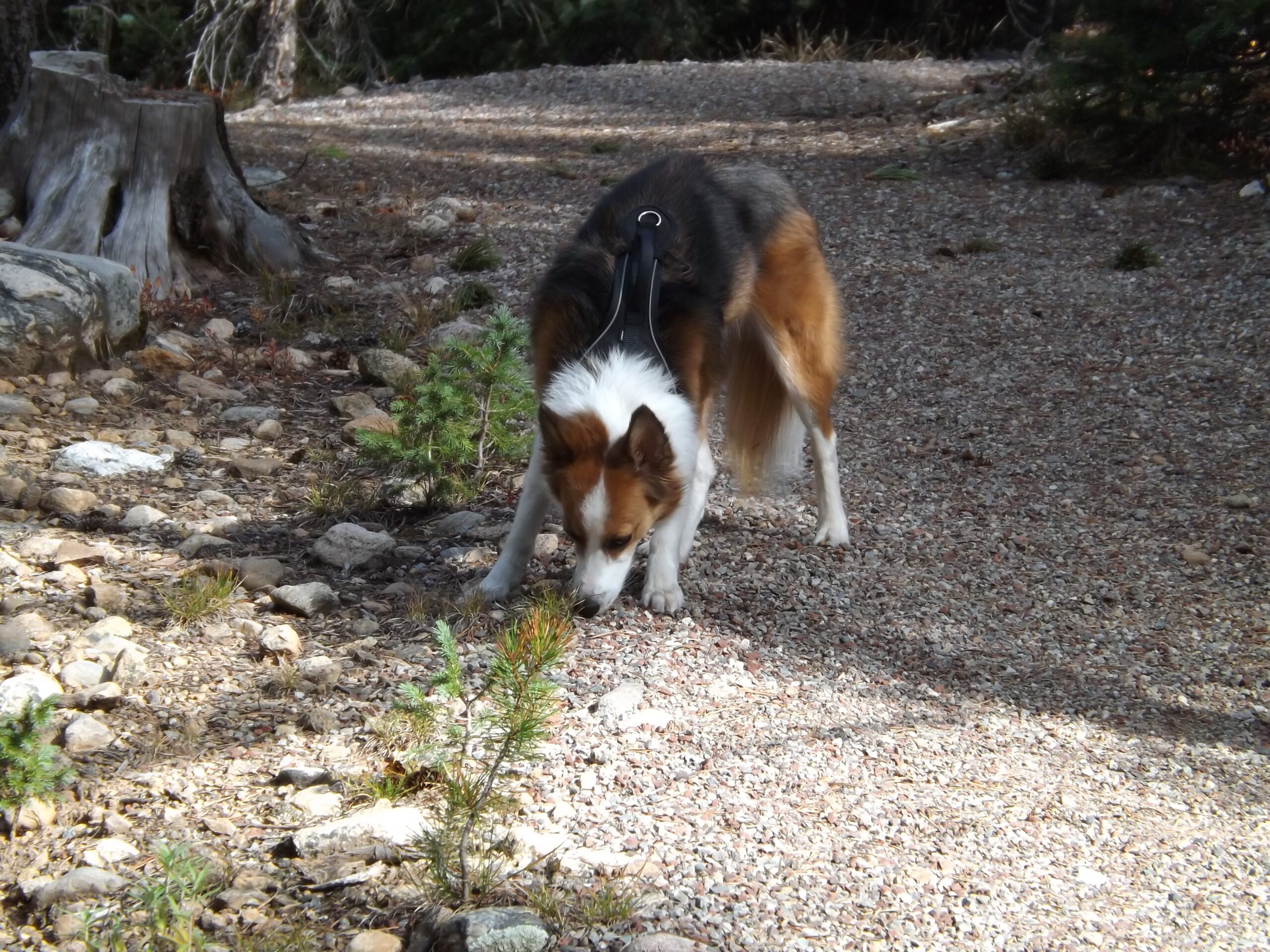
Can Sport Dogs Suffer from Burnout?
Can dogs in sports like agility, frisbee, or nose work suffer from burnout? Yes they can. Here’s how you can help.
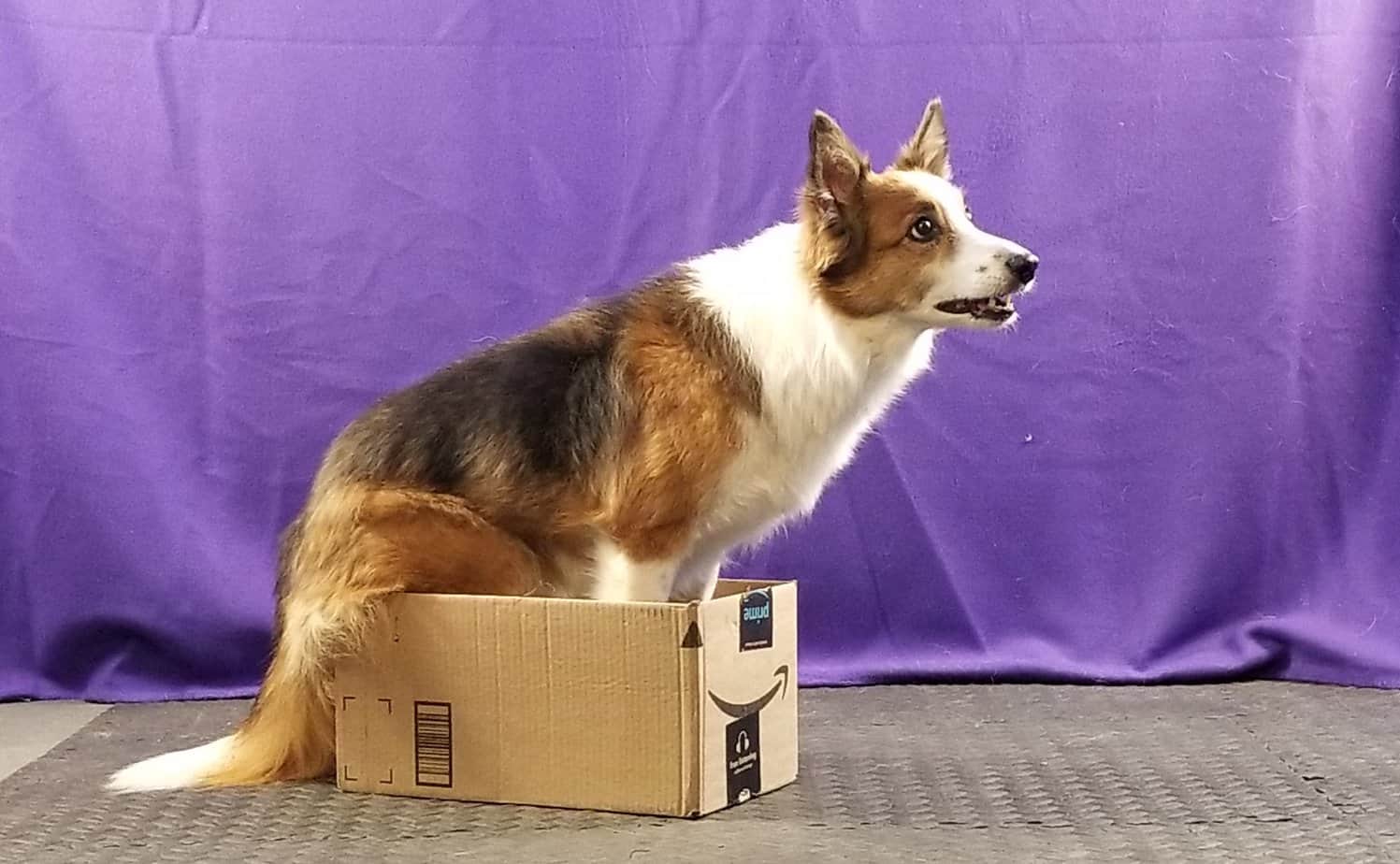
Why Does It Matter Where I Reward My Dog?
Reward placement matters for dog training. Learn the basics in this article.