
Written by Lorrie Reynolds
Dog Training Safety Is a Controversial Topic?
As an experienced instructor in agility and trick training, I’m always on the lookout for things that will improve dog training safety. I inadvertently created chaos on the Do More With Your Dog Instructor’s group the other day. The post wasn’t inflammatory. It said this:
“With all (or almost all?) of the agility organizations removing the chute from competitions, can we remove it from the trick list? It’s a pretty dangerous obstacle, especially for people who are new to training, and it can easily scare the dog and result in a loss of confidence.“
I didn’t say stop counting it as a trick, or ban it. There are several tricks that are not on the official list because of their potential to be dangerous if taught by new dog owners. I just suggested removing it from the public list.
Based on the responses, you would have thought I was taking away a kid’s favorite toy! I got everything from “I’ve never seen a dog get hurt in a chute,” (totally not true – there are plenty of YouTube videos that prove otherwise), to “If you don’t know how to teach the chute safely, don’t offer that trick to your students.”
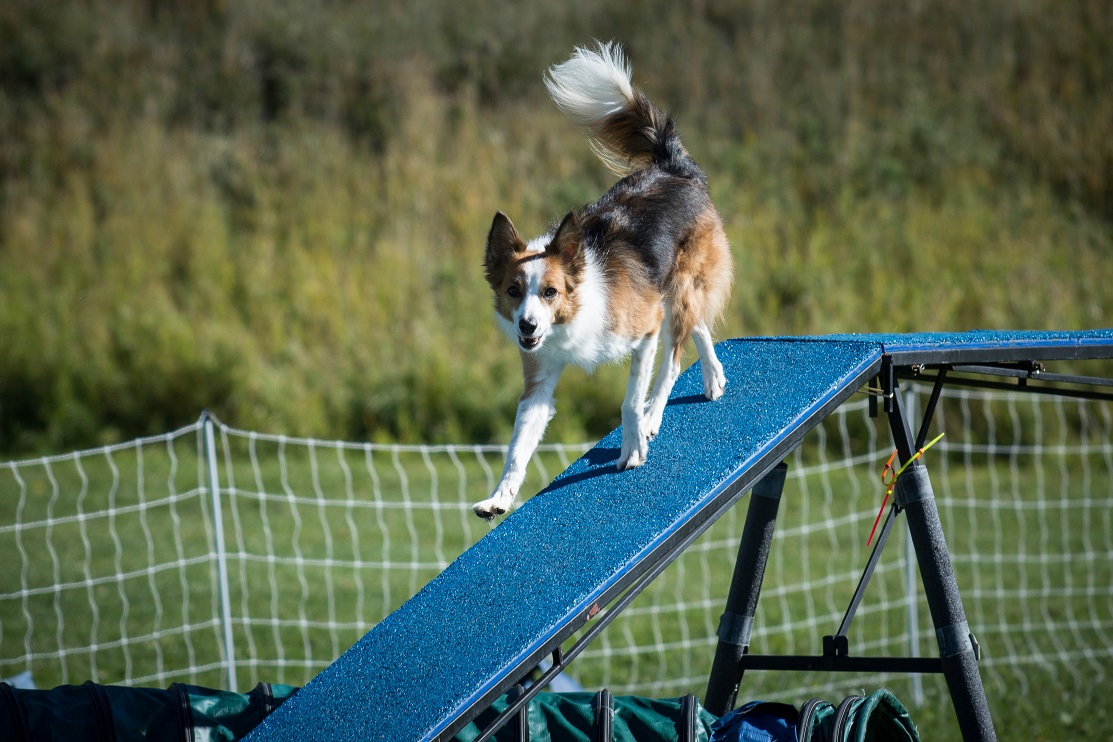
I’m an experienced instructor. I do know how to teach it safely, and so do a lot of other agility instructors, but that wasn’t the point. A lot of people start trick training or agility WITHOUT an instructor, and those were the people (and dogs) I was concerned about.
An Experienced Instructor is ESSENTIAL for Advanced Dog Sports Training
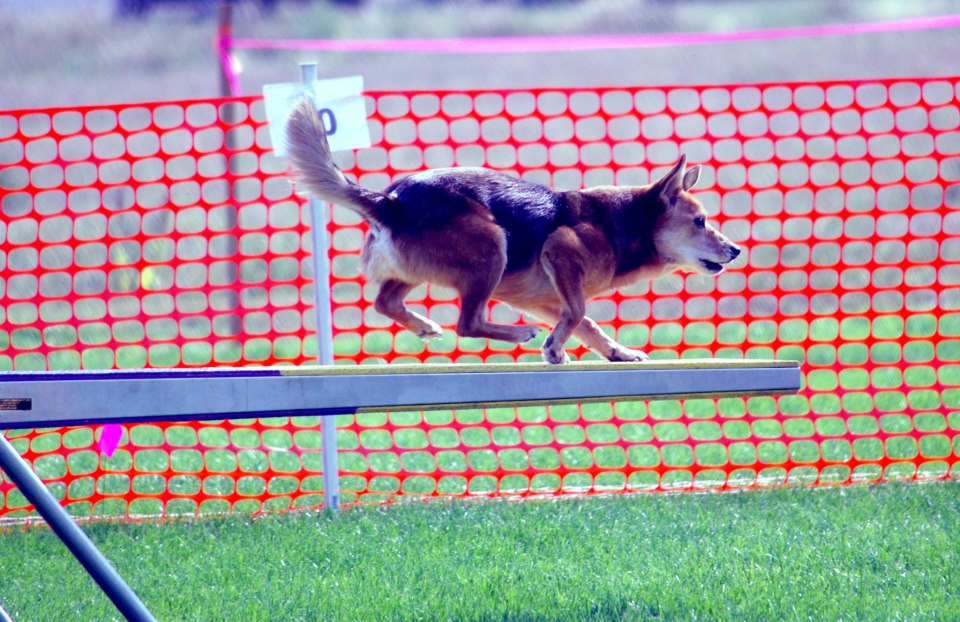
I think most people start training tricks without an experienced instructor to guide them. And there are some agility competitors who are mostly self-taught. If they are lucky, they will be moderately successful and keep their dogs safe. If they aren’t, it can go very, very badly, and the dog is usually the one who suffers.
Experienced instructors don’t just teach skills. They also:
* Prevent injuries
* Keep teams from creating bad habits
* Save training time
* Promote efficient training
* Foster good relationships
* Help manage expectations and mindset
* Provide goals and roadmaps to keep training moving forward
Injury Prevention During Training and Competition
The most important job of an instructor is keeping dogs physically and mentally safe. New dog owners often don’t know the things more experienced people take for granted, like that repetitive and concussive actions (jumping, for example) can permanently damage growth plates in puppies and young dogs. Some tricks like sit pretty and handstands can injure dogs who aren’t built for them. Agility equipment can be very dangerous if trained incorrectly – think about the falls that are possible from the dogwalk, the injuries that can occur from going “superman” off the A-Frame, or even the damage that can be caused due to not learning to jump correctly and taking out uprights on a jump.
The other aspect is mental safety. New trainers are excited about teaching their dogs, and sometimes have a tendency to push too hard too fast, creating a lack of confidence or enthusiasm in their dogs. Punishment-based training can cause dogs to shut down and give up. These are things an experienced instructor can help students with by showing students how to identify stress signals in their dogs and by teaching through positive methods for both student and dog.
Preventing Bad Habit Formation
One of the most disheartening things for instructors is to get a new student who is struggling to overcome problems caused by bad habits picked up during previous training. It is much harder to go back and fix things that are “broken” than it is to teach good habits initially. Instructors see dogs without any contact criteria, dogs who bark or nip out of frustration, and a wide range of other problems. Most of the time, if these problems had been addressed early on in training, they could have been remedied before they turned into habits.
Reduce Training Time From Start to Successful Competition
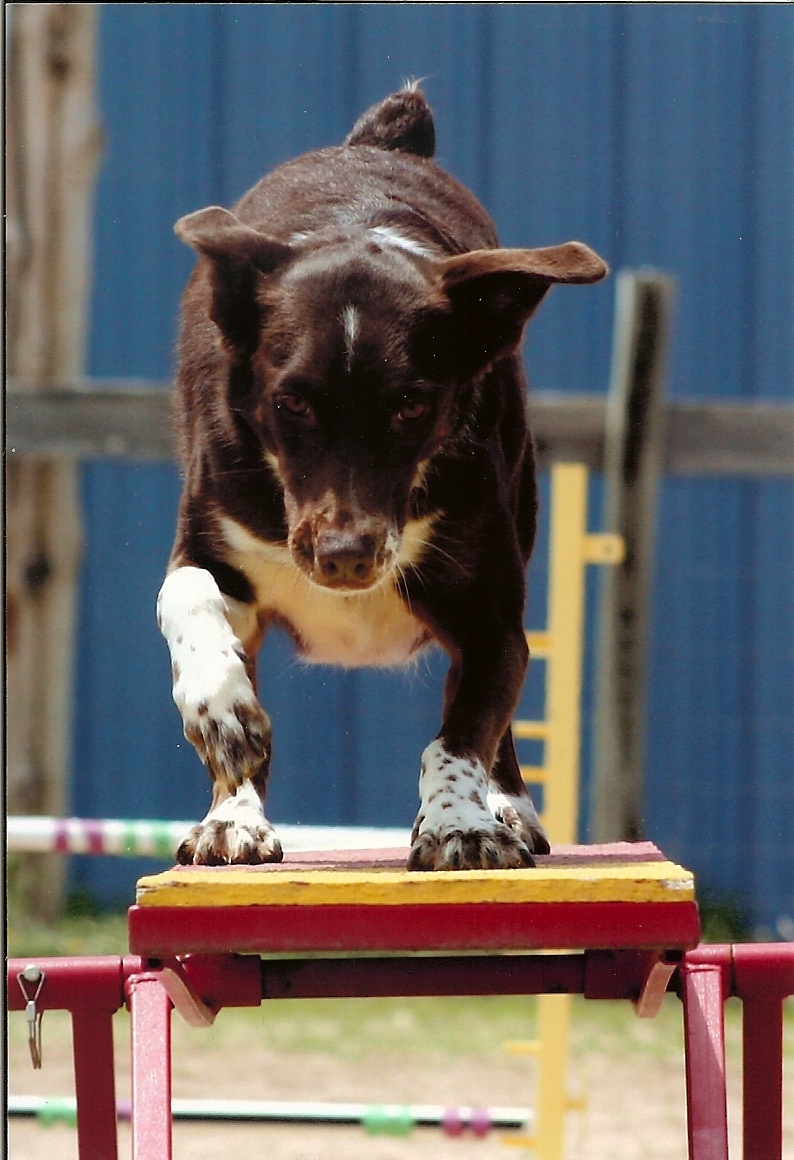
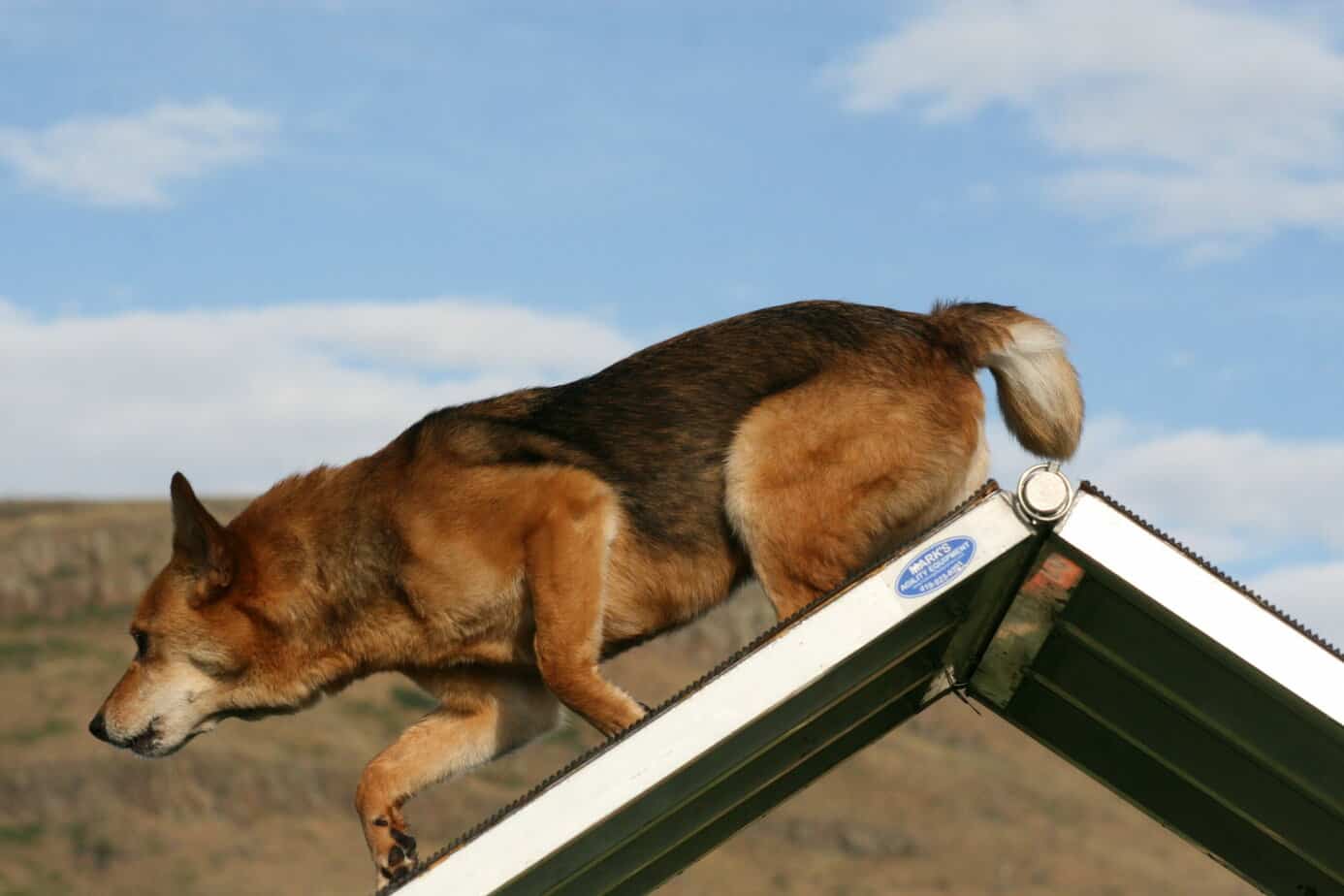
Some people struggle for years on their own before they can compete in agility. People also get “stuck” on some aspect of a trick and either give up, or work much harder than needed to teach it. Experienced instructors generally know the fastest path to understanding for the dog, and have developed alternate training methods if the dog doesn’t understand what is wanted when being taught the “normal” way. Things like teaching contact foundations before putting dogs on an actual contact can save years of troubleshooting and fixing down the road.
Promote Efficient Dog Training Methods
Along with saving time comes efficiency. Experienced instructors know how to layer foundation behaviors so that the dog builds up to a final performance. Although it sometimes feels like training takes longer this way, in the long run, building a solid foundation is the most efficient path to success. There is an order to teaching skills that presents the most efficient training path, and a process to teach individual behaviors that works with 90% of dogs to help them quickly master a trick or behavior.
Build the Dog-Human Relationship and Bond
Everyone who has a dog has “a relationship” with him or her. Experienced instructors can help define the differences between a working relationship and a personal relationship. They can promote activities that build closer bonds between the team members and watch for warning signs that indicate a change is needed.
Create Realistic Expectations and Manage Mindset
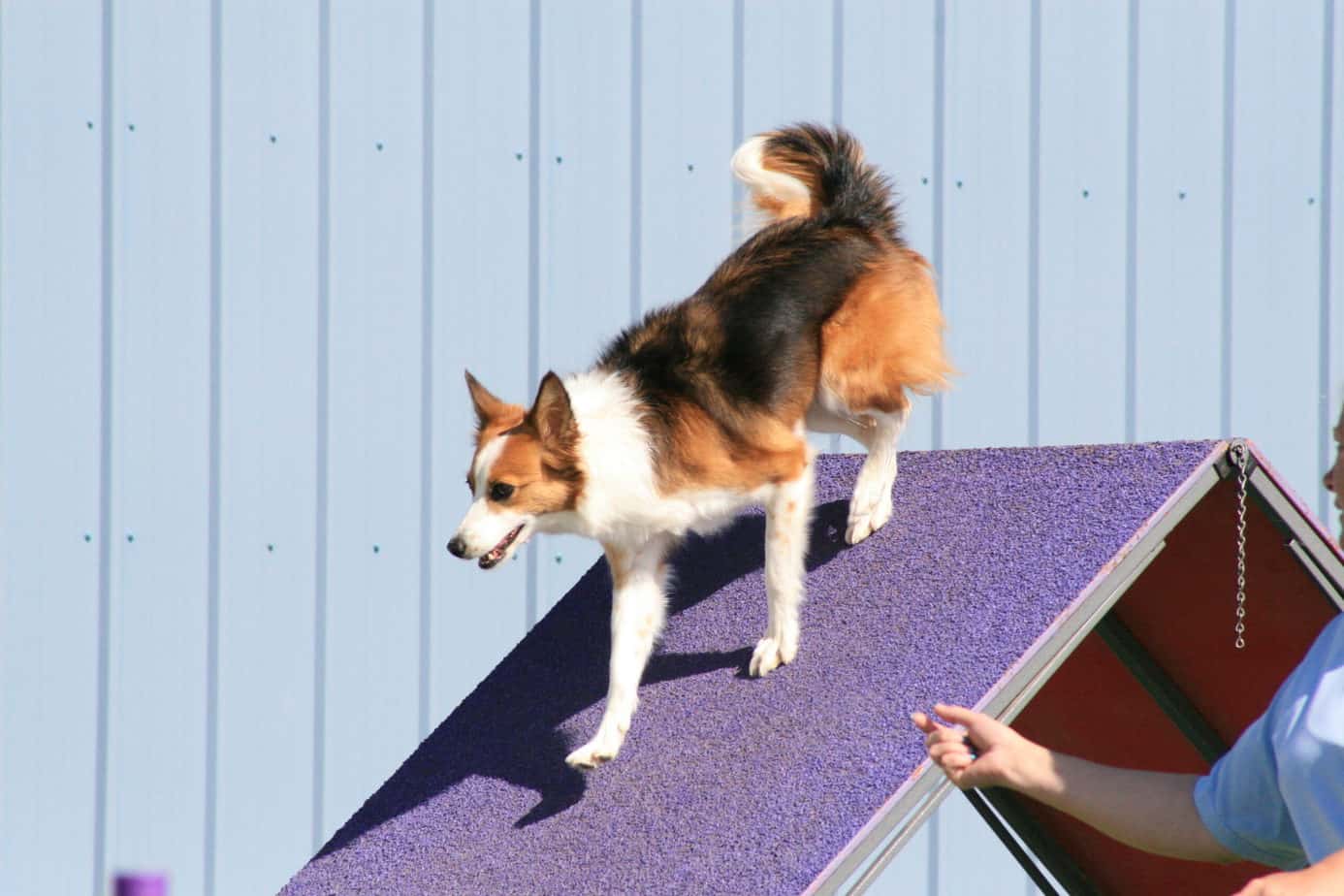
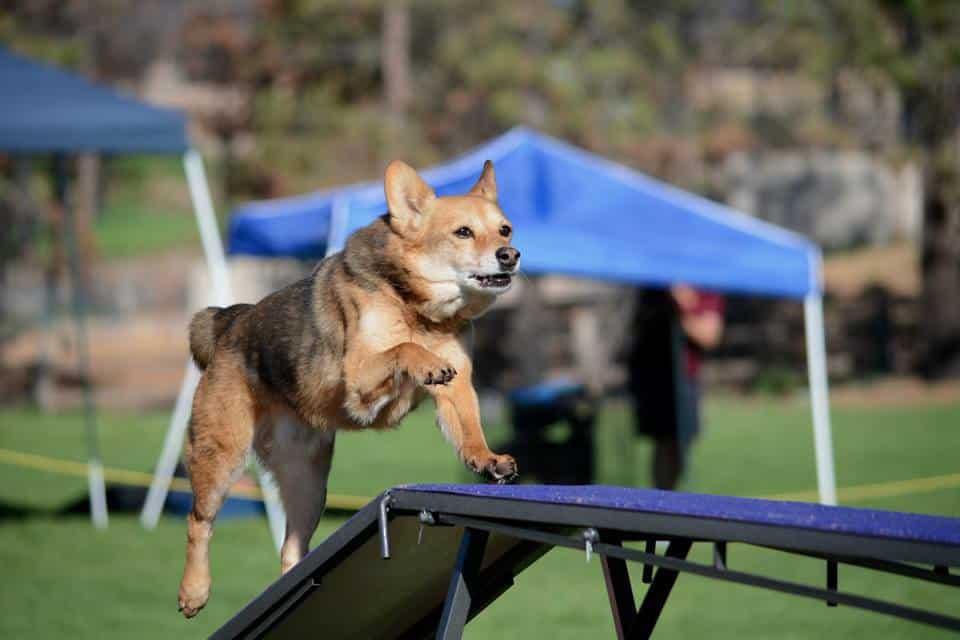
Many new dog owners watch agility on TV or see someone doing tricks and think that it looks fun and easy. They are half right! Beginning agility students, for example, come into their first class thinking that it will be all about teaching the dogs obstacles, and within a few months, they will be the ones in the ring competing. An experienced instructor can help students set realistic expectations by giving them an overview of all the skills necessary for competition. She can help them understand that there is a lot more to agility than just running around doing obstacles.
Managing mindset is another important job for instructors. The dog isn’t the only team member who needs to have confidence before competing. Instructors can explain what happens at competitions, overcome people’s fears, and help them learn to cope with stress and nervousness when they are performing.
Provide Goals and Roadmaps for Training
If you don’t have a roadmap to your final destination, you’ll never get there. Students need to know what milestones they need to pass and have an understanding of realistic goals to set. Instructors can guide the journey and help people navigate around the inevitable roadblocks and obstacles that come with dog training.
The Outcome of My Post
After a flurry of comments, likes, and arguments, as a compromise, the owner of DMWYD decided to leave the trick on the list, but add a caution about being dangerous at speed. It’s not a trick that I list on any of my personal materials for students, and my post was to bring awareness and consider removal, so that compromise was fine with me. Just don’t expect me to advocate teaching it to my community!
Are you a trick trainer? Do you need an easy way to keep track of your trick training, find new things to train, get definitions and requirements for tricks, and record the titles your dog has earned? With just a few clicks, this Automated Trick Training Tracker can eliminate those random pieces of paper you can never find. Learn more here!
You Might Also Like…
Handling a Fast Agility Dog: Pinto or Ferrari?
If your new agility dog is a move up from a slow or moderately-fast agility dog to a speed racer, here’s some advice to make your life easier.
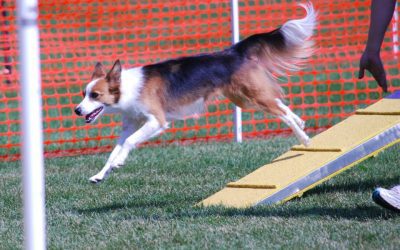
Dog Agility Contact Training: Do You Really Need Running Contacts?
Which dog agility contact method, running or stopped, is right for your team? The answer might surprise you.
Should I Use Verbal Cues for Dog Agility?
How important are verbal cues for dog agility? Find out in this article that explains how your dog perceives verbal cues on the agility field.
Get tips, stories, discounts, and early notification of events and new courses delivered straight to your inbox! Join the community!
Second, sixth photos: Courtesy of Dog Agility Photos for Fun
Third, fourth, fifth photos: Courtesy of Stover Photography