
Written by Lorrie Reynolds
What Every Dog Agility Distance Seminar Comes Down To
Dog agility distance training is one of my favorite seminar topics to teach. Taking teams from unsuccessful to unstoppable, and giving them the tools to make that transformation themselves, is one of the most rewarding things I do. After years of distance seminars, certain lessons come up again and again. These are the ten takeaways that have made the biggest difference for the teams I’ve worked with, including the “lightbulb” moments that helped them step up to the next level.
Takeaway 1: Foundation Skills Matter
It’s not too difficult to train for a short period of time, teach the dog to navigate all of the obstacles with you babysitting them, and run with the dog around a novice agility course from obstacle to obstacle fairly successfully. Change that to having the team working away from each other though, with the handler directing the dog on a path through the obstacles rather than helicopter handling, and the gaps in foundation skills make themselves known.
Dogs who can’t perform contacts independently, who have to be “babysat” through the weaves, or who don’t understand how to respond to handler motion can’t “do distance.” Any team that wants to play the distance games has to focus on foundations. If you want some great ideas for foundation skills, read this article about skills for agility puppies.
Takeaway 2: Confidence is a Vital Factor
The biggest obstacle (pun intended) to having a dog working away, is lack of confidence. Confidence is built over time through mastery of skills, handler consistency, and experience, among other things. Dogs need to trust their teammate’s cues, understand what is being asked, and have a harmonious working relationship before they will be confident enough to work on their own.
Confidence is gained through success over time. Distance should be taught incrementally, when the dog is mentally ready for each step.
Takeaway 3: Dogs Thrive on Consistency
In agility and all other aspects of life, consistency is crucial to both confidence and understanding. Handlers need to ensure that a cue means the same thing every single time. Routines are important, whether it is a pre-run warm-up or a start line routine that is used for exercises and at trials.
Consistency provides stability and allows the dog to understand his job, have confidence in his teammate, and anticipate what comes next based on familiar activities. Consistency is especially important to dogs who easily pass the over-arousal threshhold to maintain their peak performance.
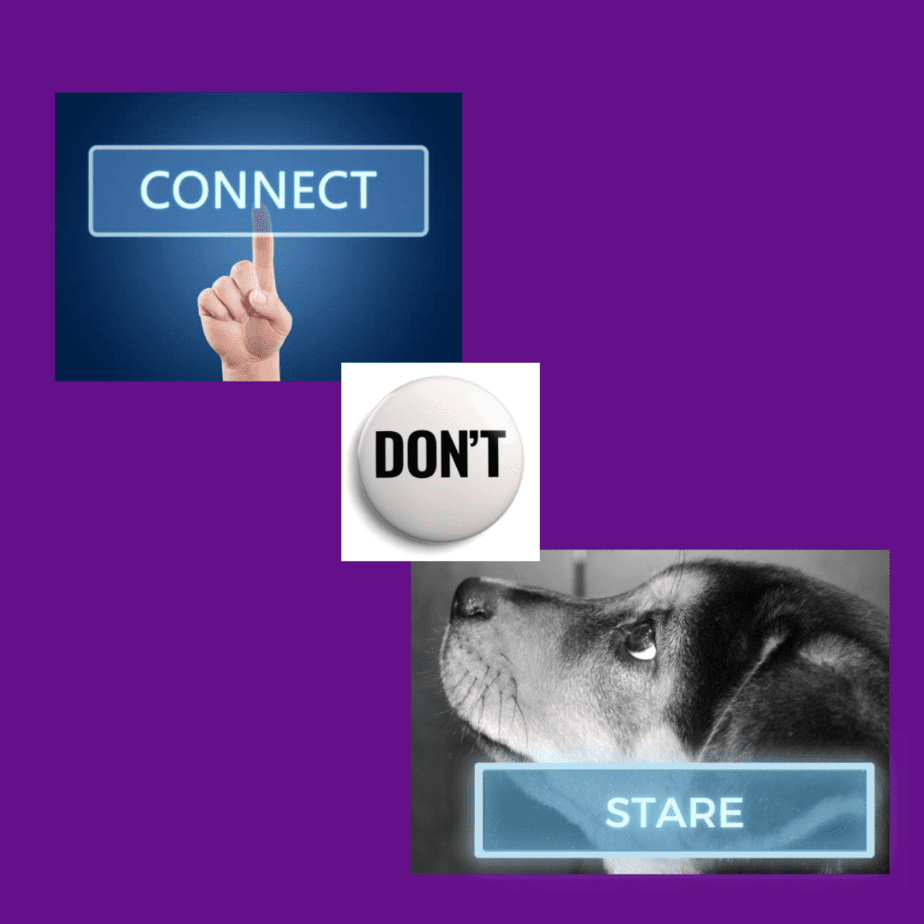
Takeaway 4: Connection Doesn’t Mean a Staring Contest
A common theme in training right now is “connect with your dog.” Connection is good! We should all strive to improve our connection with our dog and to make sure we are on the same page while we are running on the agility course.
What connection does NOT mean is “Stare at your dog.” This concept has been so heavily emphasized that handlers are ending up in staring contests while trying to run the course.
Looking directly into your dog’s eyes for an extended period encourages them to come to you, not focus on what comes next. So connect, but briefly, to ensure understanding of what’s next. Don’t lock eyes and think that your dog will be looking for the next obstacle on course.
Takeaway 5: Trust Your Dog
You’ve trained the skills, you’ve taught the cues, you’ve worked on independent obstacle performance, now let go and trust your dog. Nothing will make a dog come closer to you faster than hesitation, “making sure he took the obstacle,” helicopter handling that makes the dog think something is wrong, or running differently than you do in practice.
Give the cues smoothly, handle the course, and trust your dog to do his job.
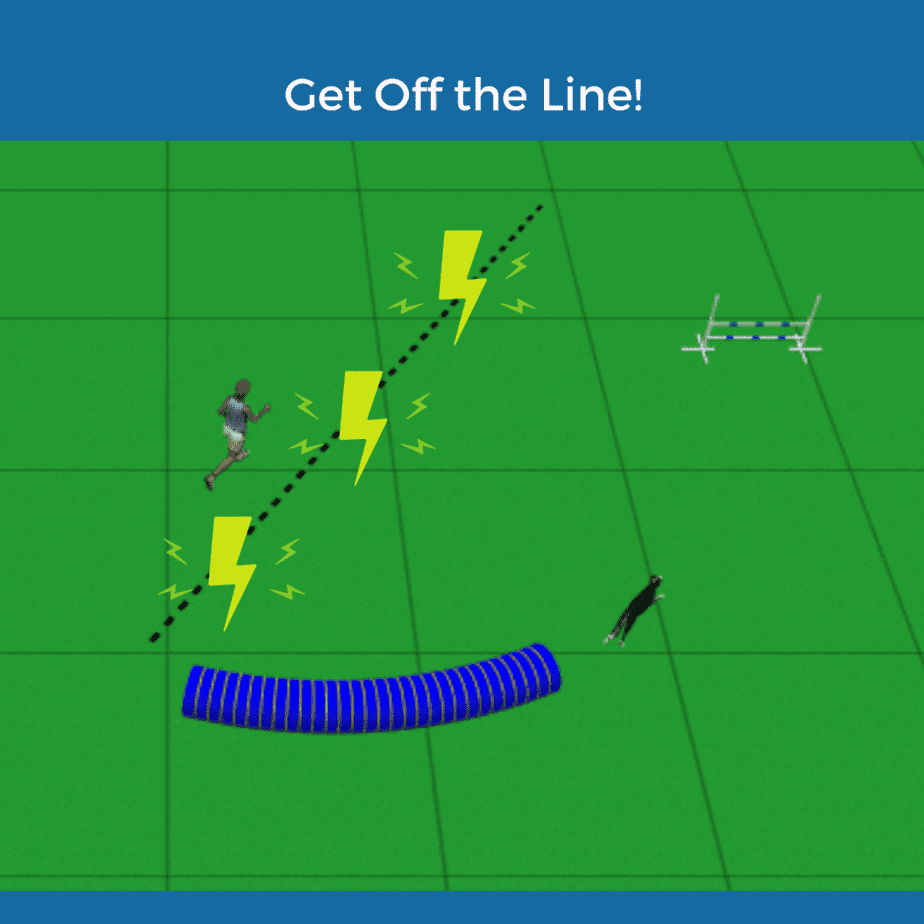
Takeaway 6: Get Off The Line!
My “frequent flyer” students, those who have taken many dog agility distance seminars with me, swear they can hear this phrase in their heads when they are running courses. Plan your path around the course to keep a bit of distance between you and the handler restriction line. It’s easier to plan a good path than it is to regain distance from the line once you’ve lost it.
If something happens, the dog falters, or your cue wasn’t strong enough, those extra feet give you room to move and cue the dog with your strongest indication – your motion. Don’t end up confusing the dog by doing the “line dance” because you are too close. Stay away from the line, because…
Takeaway 7: The Line is Not Your Friend
Oh look, the judge gave you a little extra corner to get you closer to that obstacle your dog needs to take. What you may not realize though, is that the little corner can be a trap, forcing you to move in the opposite direction of where you need to go next to cue your dog.
Judges know our inclination is to move as close as we can to try to help our dogs. They design courses that are engineered to make it more difficult to stay on your path. As was said above, plan your path away from the line to avoid those little traps.
Takeaway 8: Two Feet Makes No Difference
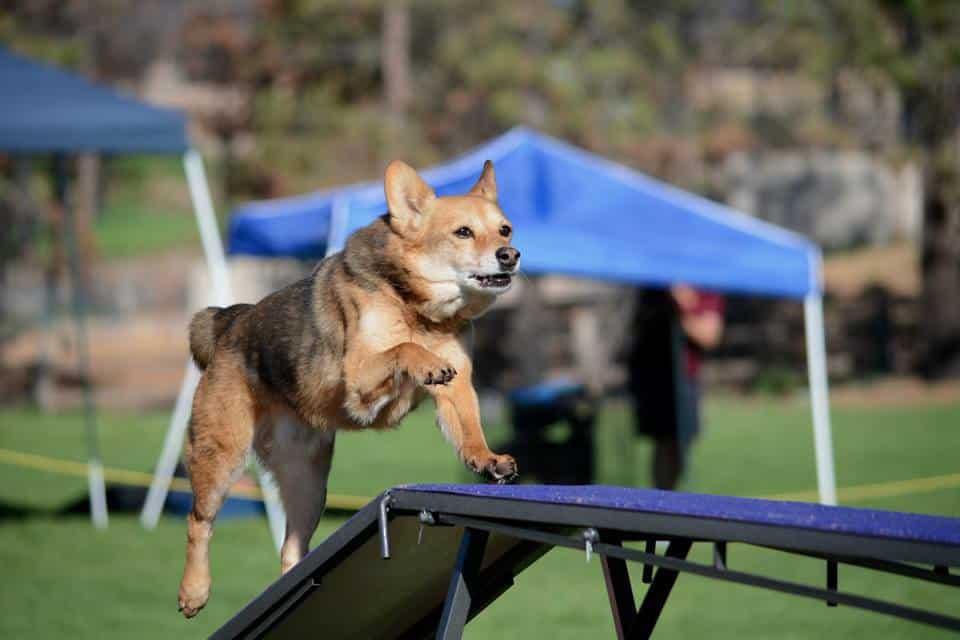
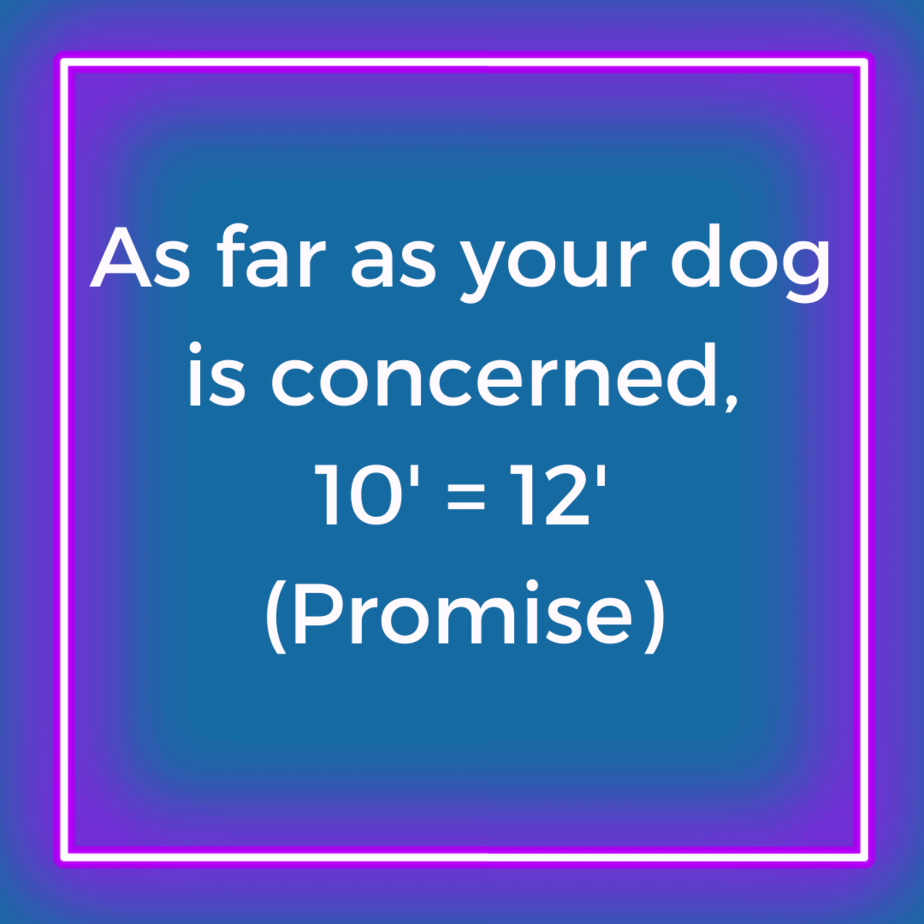
Once your dog is confidently working at a moderate distance and has sufficient independent obstacle performance skills, two feet further on course normally makes no difference to your dog. As long as the dog has momentum and good direction, if they can do it at 10 feet, they can succeed at 12 feet. I promise. There’s no need to move in further than you would at practice.
Takeaway 9: Paths Are Paths
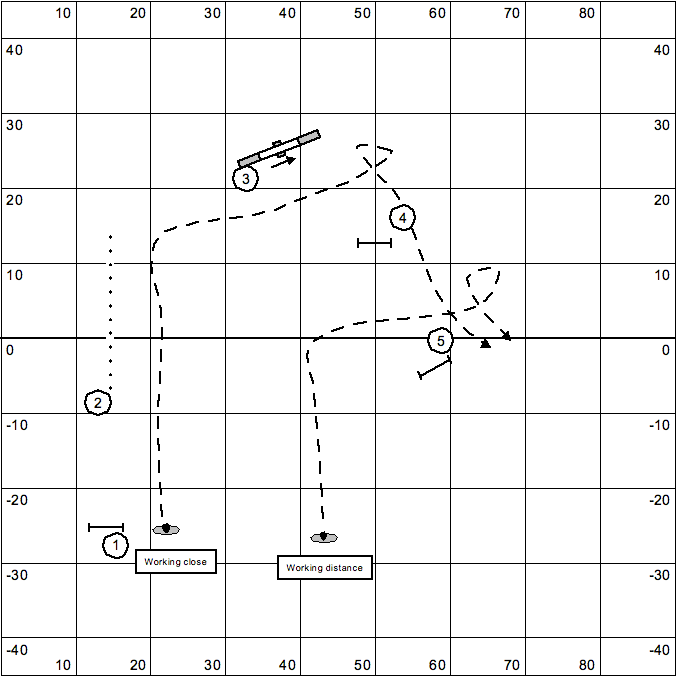
The path you take to guide your dog around the course at a distance is basically the same path you take when you are running close. The only difference is that you use less real estate with the distance path.
If you are confused about handling a sequence at a distance, go back to what you would do if you were running alongside your dog. Alter that path to run less yardage, and you have your distance path.
Takeaway 10: Skills Not Drills
When you practice distance for agility, focus on the skills you need rather than endlessly drilling your dog. Because the majority of distance work relies on confidence and consistent cues, focus on those skills rather than repeating distance patterns until you and the dog are bored to tears.
If you are practicing at class or at home, work on an exercise until you can get a clean repetition one time, and then make it just a fraction more difficult by changing a variable. That could mean making the distance your dog has to travel a little further, changing your handling position, or adding an obstacle.
However, most distance skills can be practiced without any equipment at all. A tree, trash can, or some cones is all you need. You can use those objects to work on distance, directionals, and discriminations.
Most distance skills can be practiced without any equipment at all. A tree, trash can, or some cones is all you need. You can use those objects to work on distance, directionals, and discriminations.
The Real Secret to Dog Agility Distance Training
Dog agility distance training is not about drilling the same patterns until you and your dog are exhausted. It is about building the right foundation, staying consistent, and trusting the skills you have put in place. The teams that succeed at distance are not the ones who practiced the most. They are the ones who practiced the right things.
You don’t have to wait until you go to your next dog agility distance seminar. Take one of these ten takeaways into your next training session and see what changes. You might be surprised how quickly the picture shifts when you start putting the pieces that matter together.
Want to dig deeper into the skills behind distance handling? Start with Five Dog Agility Distance Skills That Are Essential for Every Team or check out The Complete Guide to Dog Agility Distance Handling to take a deep dive into the various aspects of disatance training.
Prefer learning on the go? The Maximum Fun Agility Podcast covers topics just like this one. Search for it wherever you listen to podcasts and take your training knowledge with you.
You Might Also Like…
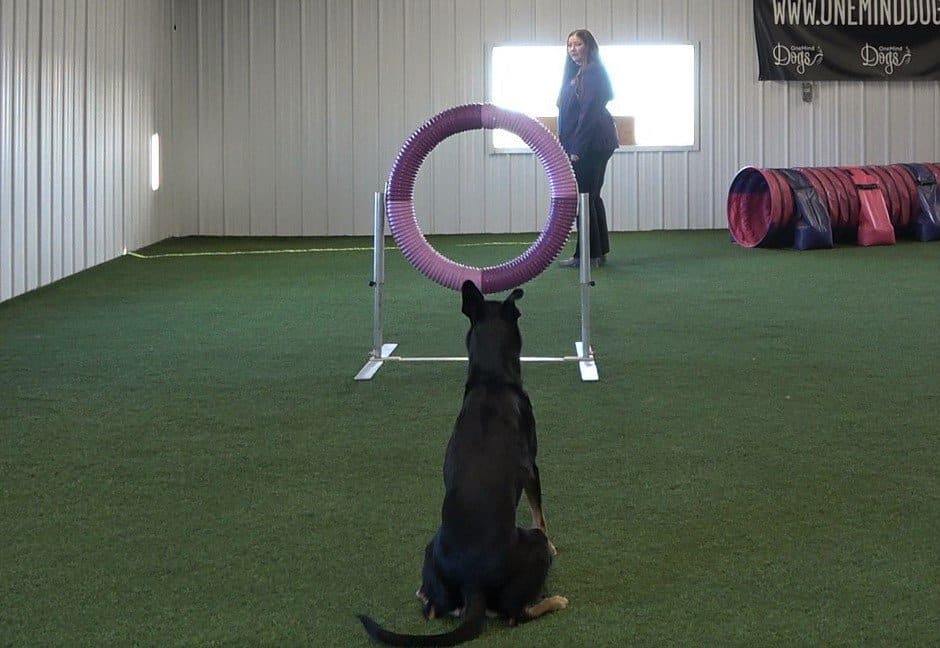
Dog Agility Distance Training – What is the CLAWS Framework?
Independent obstacle performance is the foundation of dog agility distance training. Learn what CLAWS means and how this simple framework can transform your distance work.
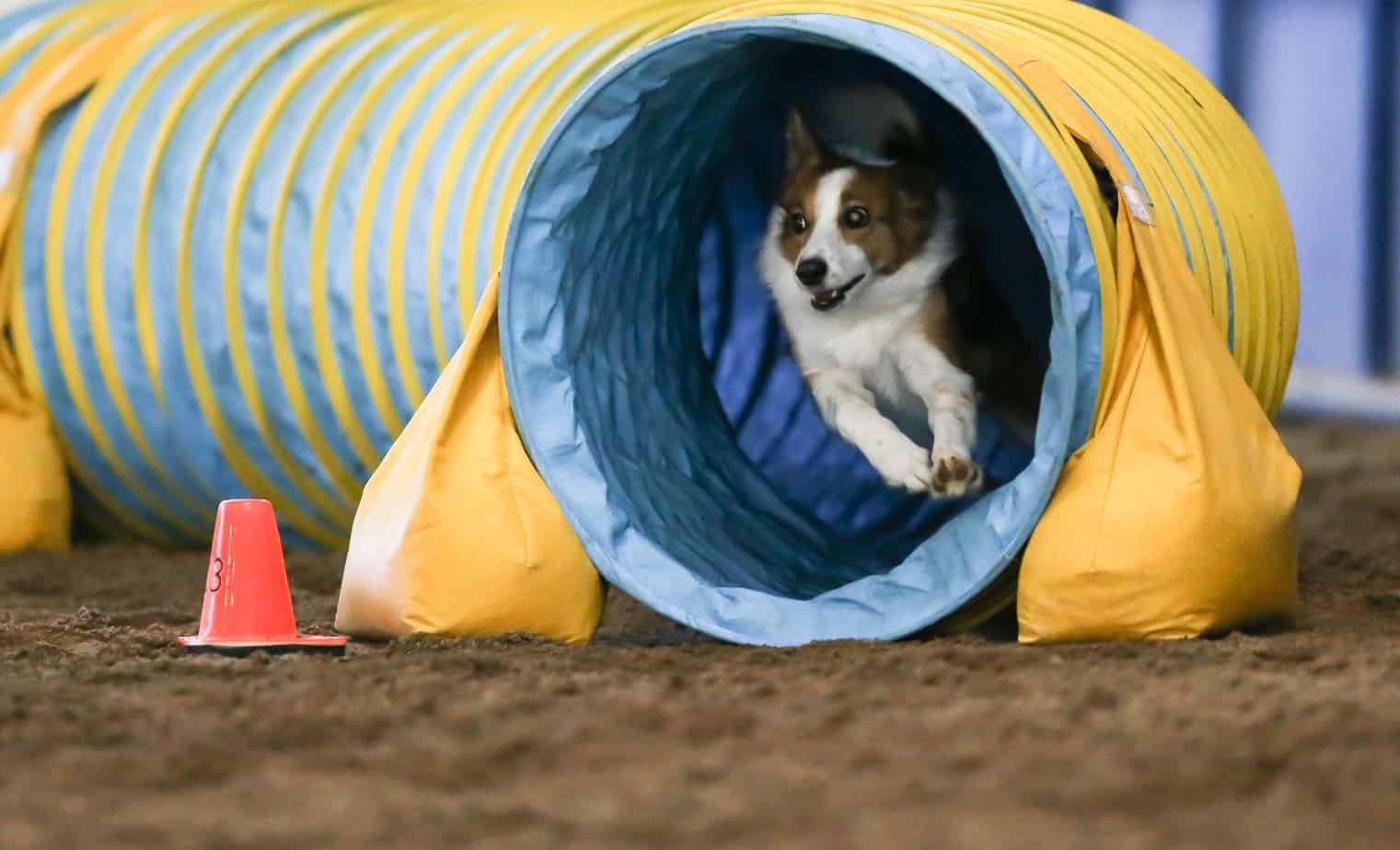
5 Ways to Reward Your Agility Dog for Distance Training
If your agility dog keeps running back to you mid-run, reward placement may be the issue. Here are 5 ways to reward your agility dog for distance that actually work.
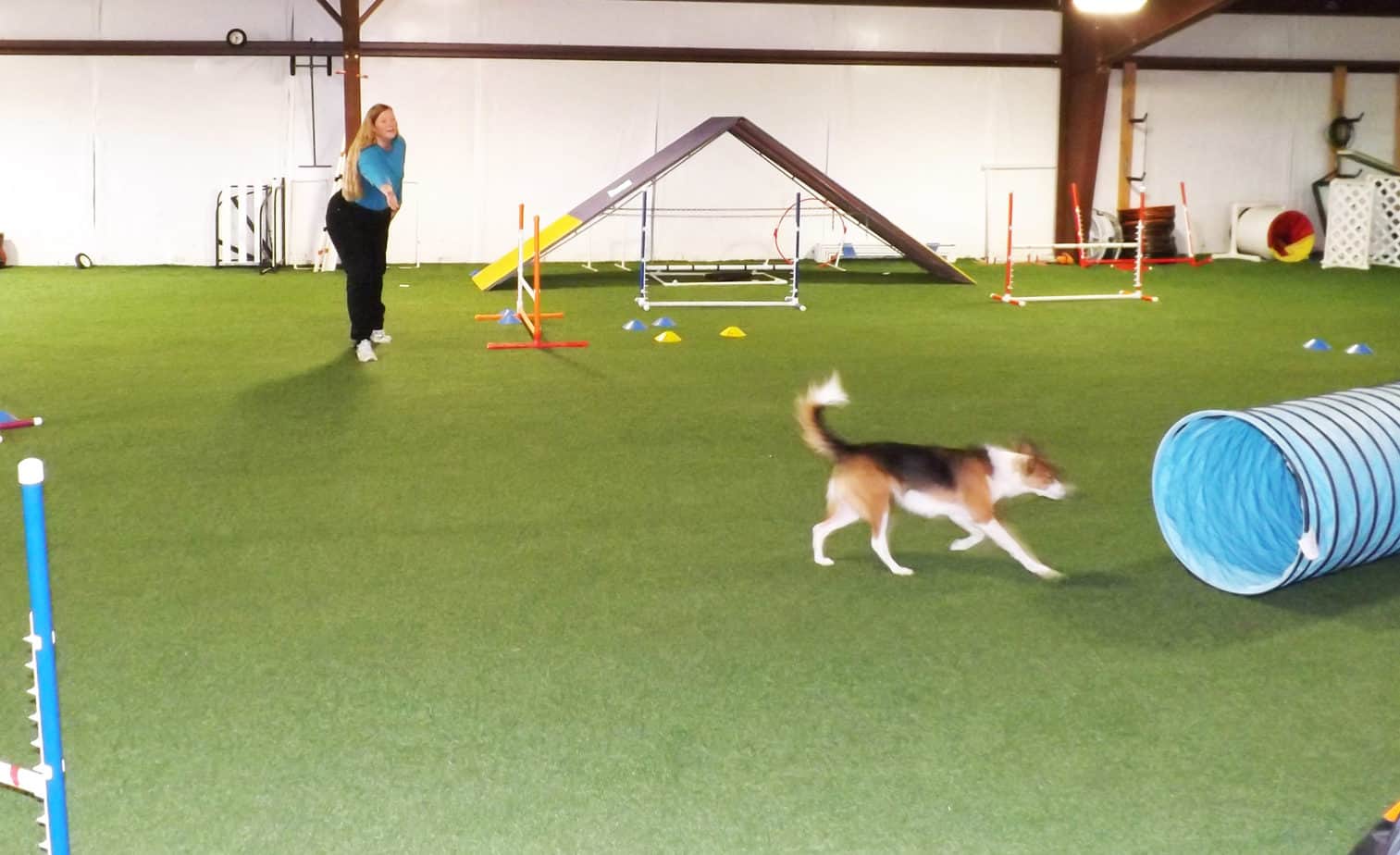
5 Dog Agility Distance Skills That Are Essential for Every Team
Want to succeed at Gamblers, FAST, and Chances? These 5 dog agility distance skills are what every team needs to handle distance confidently and consistently.
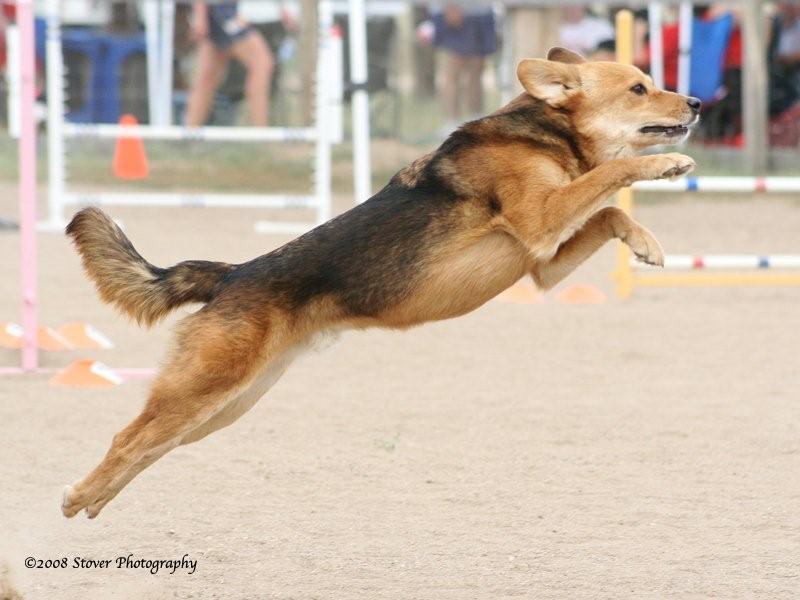
Jumping photo: Courtesy of Stover Photography
Dog walk photo: Courtesy of Dog Agility Photos for Fun