
Written by Lorrie Reynolds
Why Independent Obstacle Performance Is Central to Dog Agility Distance Handling
Dog agility distance training depends on one skill above all others: independent obstacle performance. It sits at the top of the list of the five essential skills for distance, and for good reason. Without it, your dog can’t complete obstacles when you aren’t right beside him, which means distance handling simply isn’t possible.
Independent obstacle performance means that after you direct your dog on the correct path to an obstacle, he completes it and maintains his criteria no matter where you are or what you are doing. It sounds straightforward, but in practice it’s one of the most undertrained skills in agility. To help handlers build it systematically, I developed a framework called CLAWS.
When Independent Obstacle Performance Breaks Down
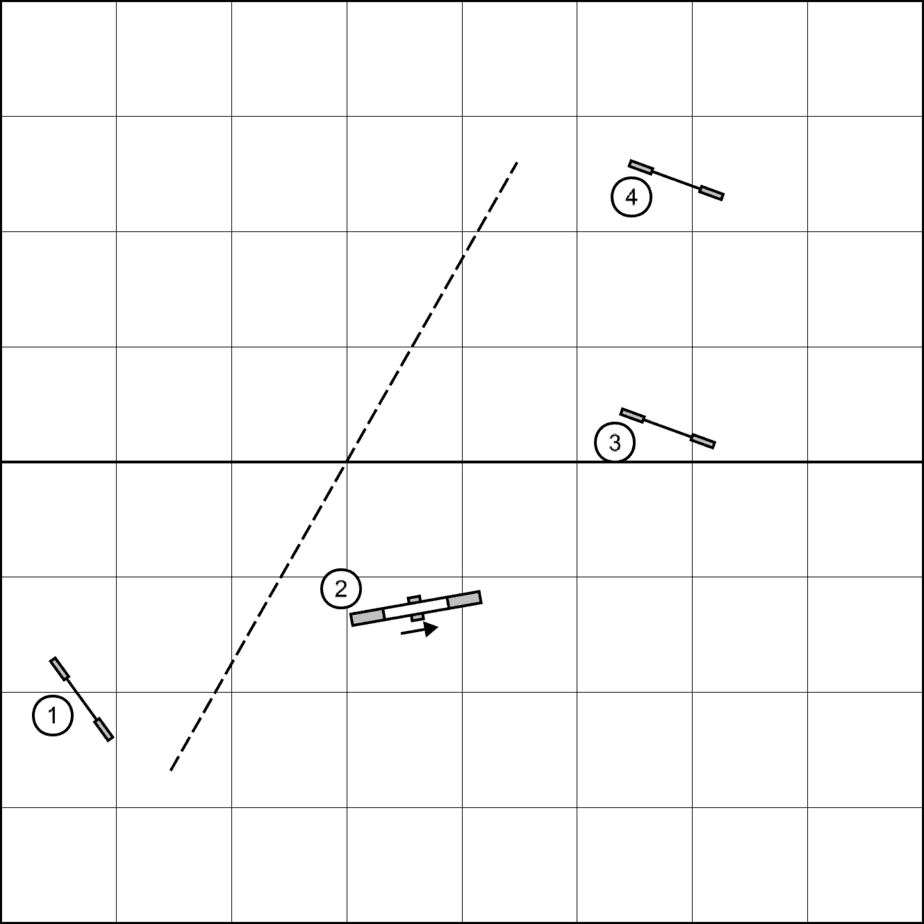
Many years ago, I was at a USDAA trial, and the sequence in Gamblers caught at least 1/3 of the teams and ruined their runs. It consisted of a jump, teeter, and two additional jumps. What tripped up so many teams was the teeter. It was going almost directly away from the line. The dogs got to it, started across, and realized that their partners weren’t coming with them, so they turned around and came back, jumped off the side above the contact zone, or wouldn’t even move forward on it.
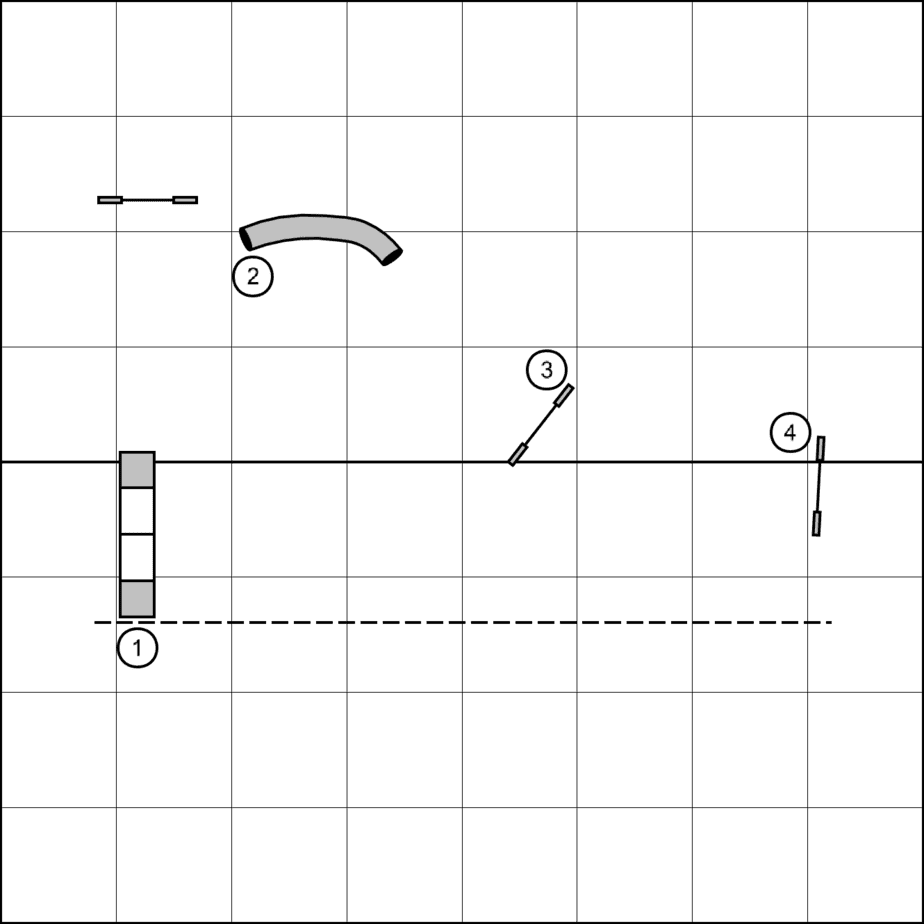
There was another Gamblers course at DOCNA Nationals one year, where the gamble line was at the start of the A-frame, and dogs had to move forward off the contact and take a tunnel, while avoiding the off-course jump next to it. Many teams were unable to either have the dog complete the obstacle without the handler right next to them on the A-frame, or have the dog move forward after the contact zone without assistance.
There are numerous stories I could tell about courses that tripped teams up because the dogs couldn’t complete obstacles independently.
The CLAWS Framework for Independent Obstacle Skills
I created a mnemonic to help people remember the skills to practice for independent obstacle performance. It is CLAWS and it stands for Call, Laterally Away, With, and Send.
C: Call
You should be able to Call your dog over or through an obstacle when you are ahead of him and have him stay in the weave poles, keep the bar up, or hit the contact zone. You handling from ahead of him should not affect his performance criteria.
LA: Move Laterally Away
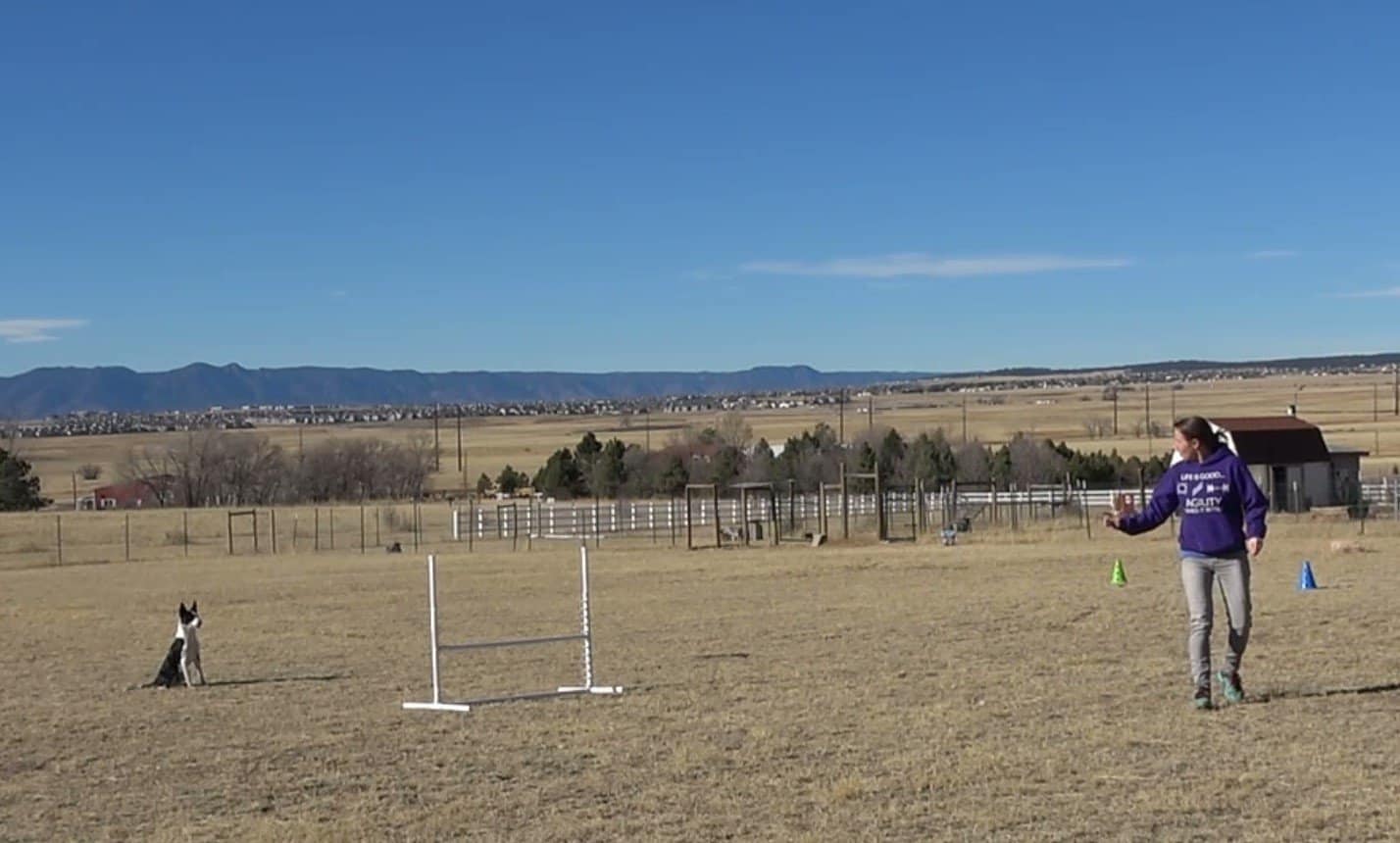
You need to be able to move Laterally Away from your dog after you indicate the correct obstacle, to get into position and direct your dog through the next section of the course. Moving Laterally Away requires maintaining support for the obstacle while slowly moving in the new direction.
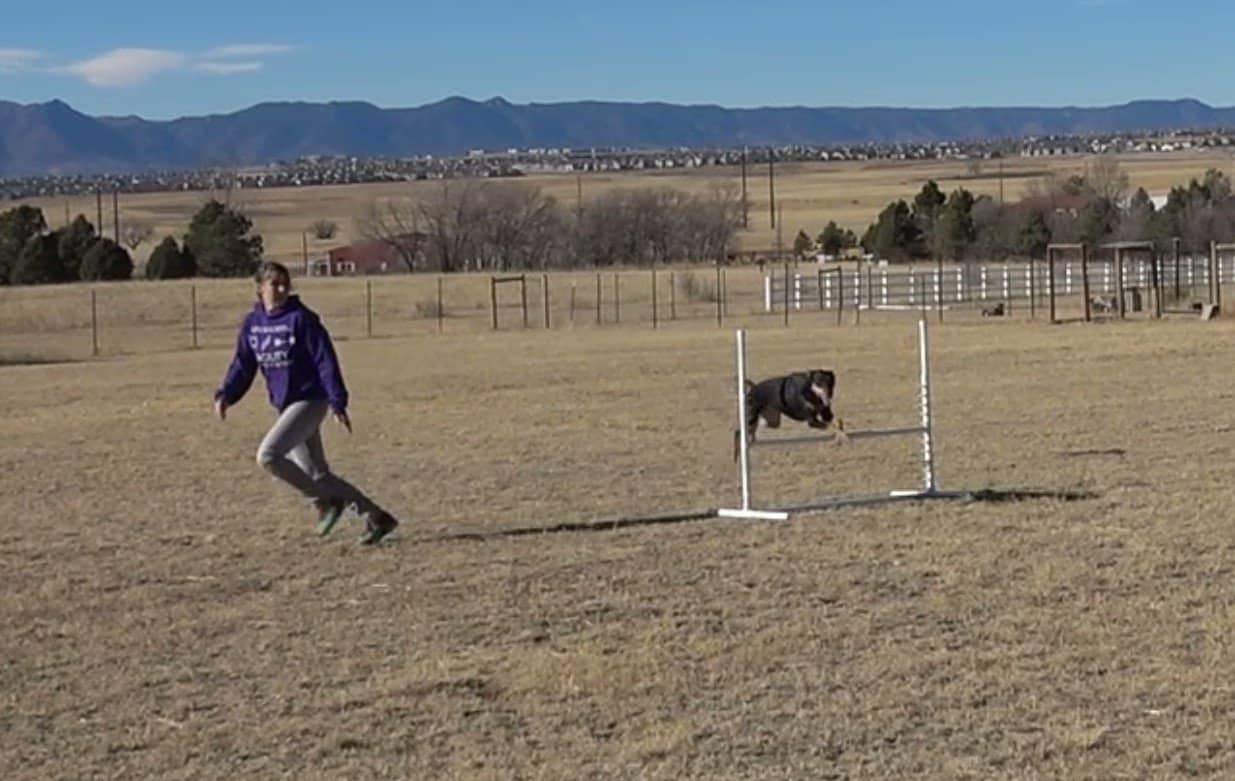
W: Run With
Your dog should be able to run With you on a parallel line and maintain the distance between the two of you while taking obstacles without coming in. This is an especially important skill for distance games where the handler restriction line parallels the last line of obstacles to the finish.
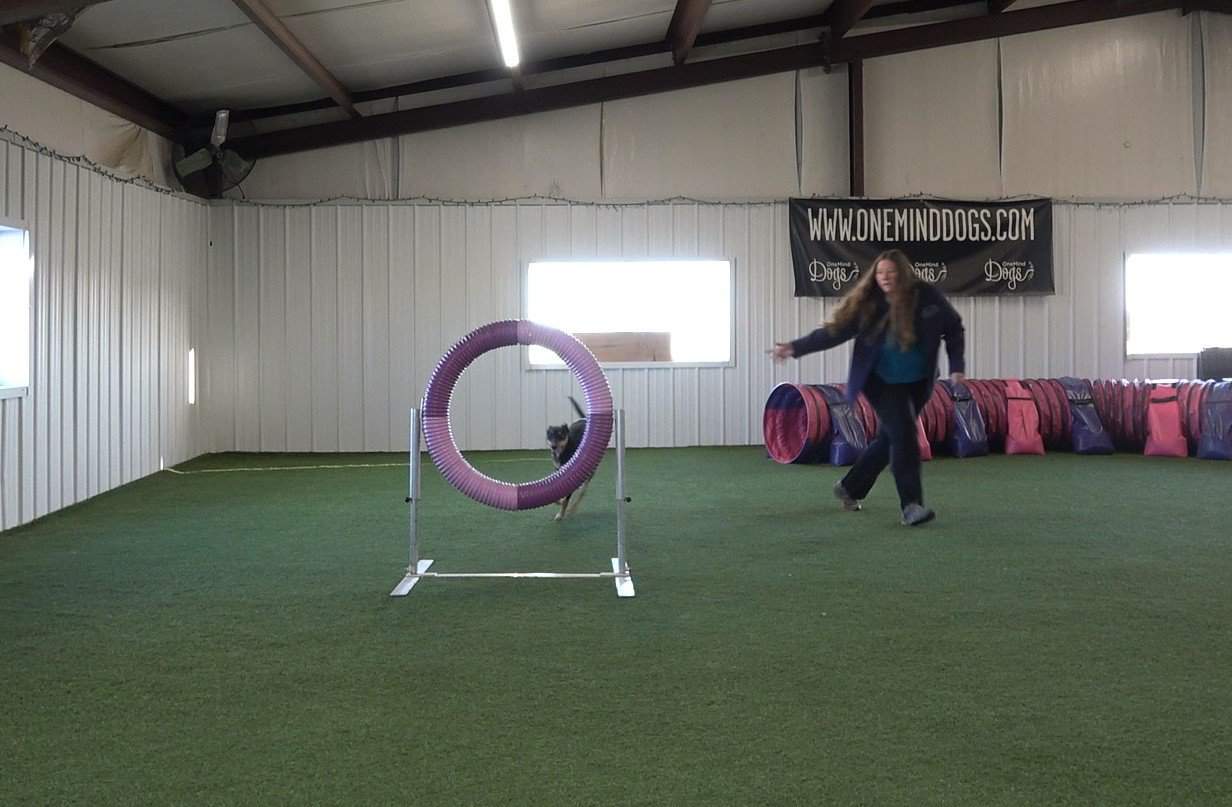
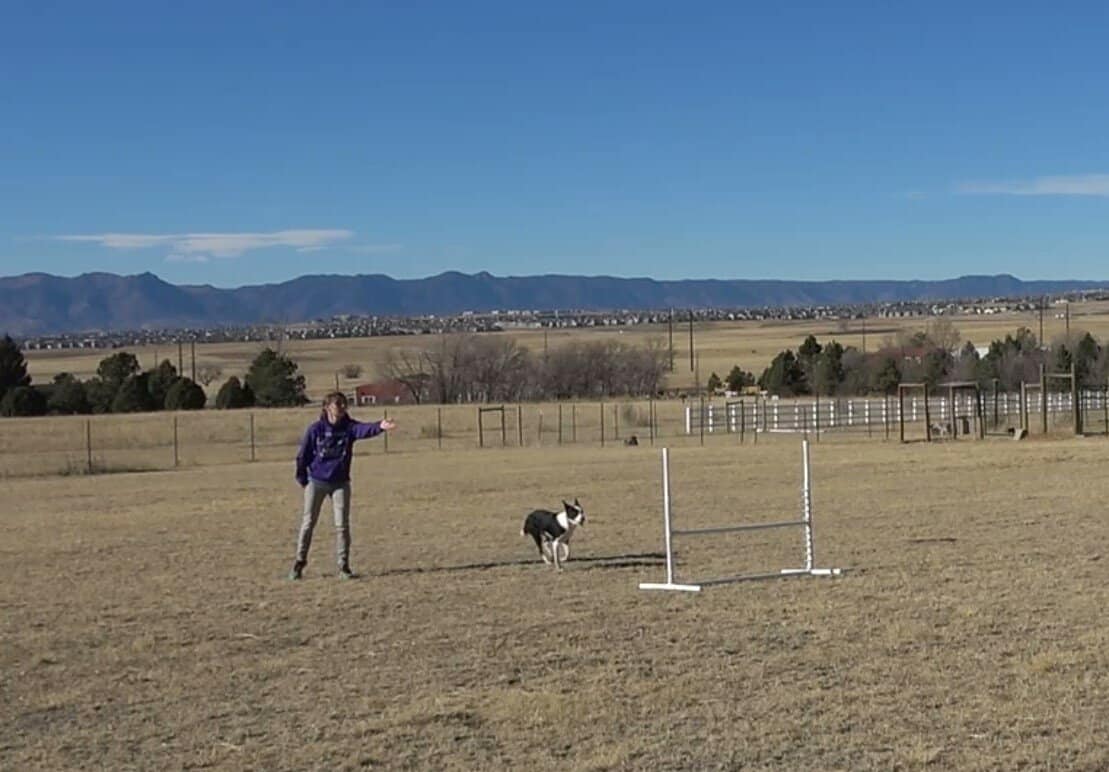
S: Send
Finally, you should have the ability to Send the dog ahead of you over or through an obstacle without the dog turning around and coming back to you. The dog should maintain the same performance criteria even if you are sending him forward without you.
Building CLAWS Into Your Training
All four of the skills within the CLAWS framework are required if your dog is going to have truly independent obstacle performance. The good news is that they are teachable and your dog can master them as long as you build confidence in your dog, reward at a distance, and handle with clarity and consistency.
The bad news is that you have to avoid making yourself part of the environmental cues that help tell your dog where to go. No more standing at the bottom of the contact obstacle pointing the way, or doing the “weave pole dance” to keep your dog weaving.
The best time to build CLAWS skills into your training is when you are first teaching each obstacle. The second best time is right now.
Once you understand what independent obstacle performance really requires, and how each element of CLAWS fits together, you will start seeing opportunities to practice it in every training session and build your dog’s confidence [link to does your agility dog lack confidence]. Not just on distance courses, but on every course you run.
Want agility training tips, resources, and recommendations delivered straight to your inbox? Join our community below — no spam, just good stuff for you and your dog.
You Might Also Like…
The Complete Guide to Dog Agility Distance Handling
Dog agility distance handling isn’t magic — it’s a skill any team can build. This complete guide covers the 5 essential skills, the 6 Cs framework, how to train distance, and the most common mistakes to avoid.
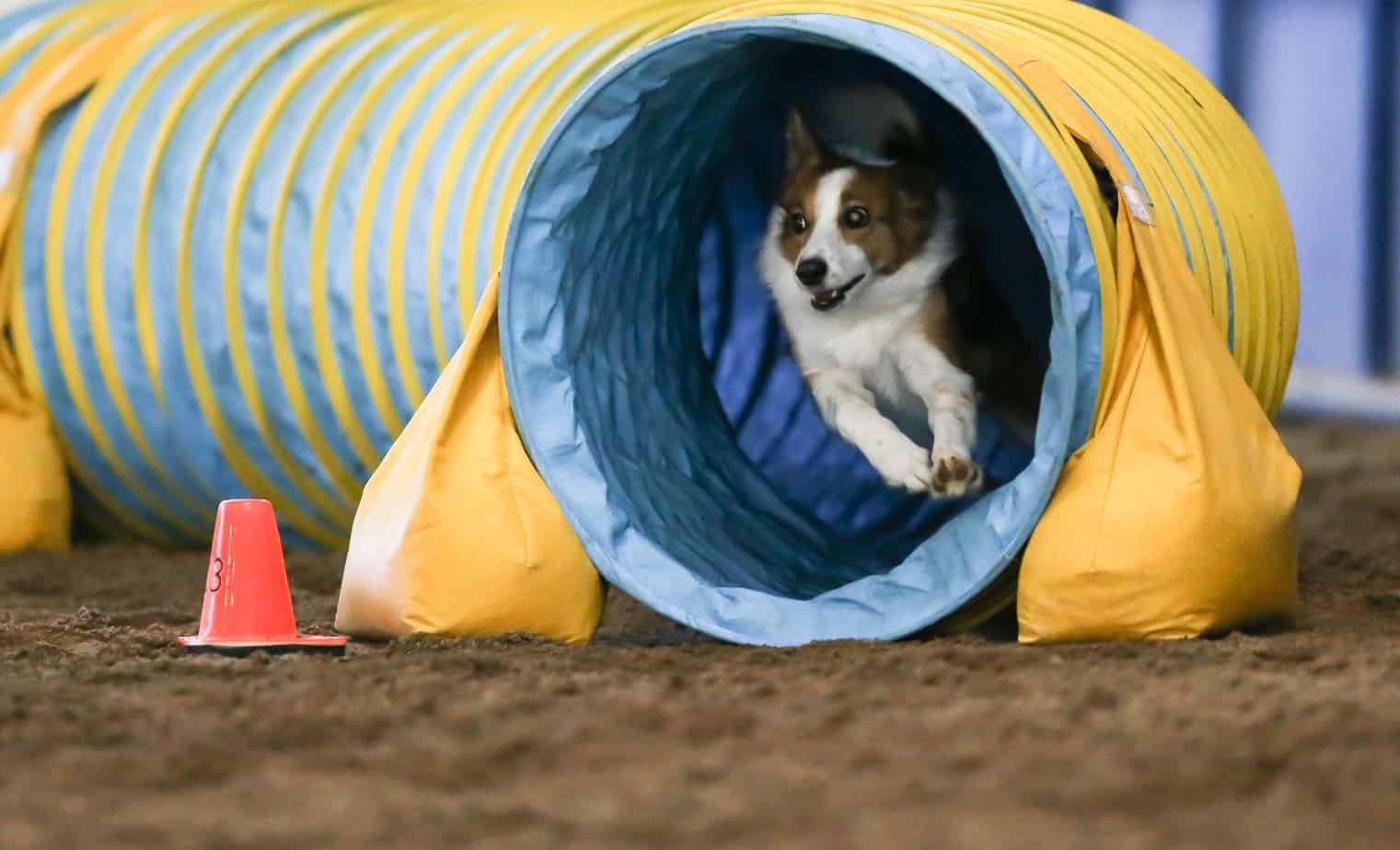
5 Ways to Reward Your Agility Dog for Distance Training
If your agility dog keeps running back to you mid-run, reward placement may be the issue. Here are 5 ways to reward your agility dog for distance that actually work.
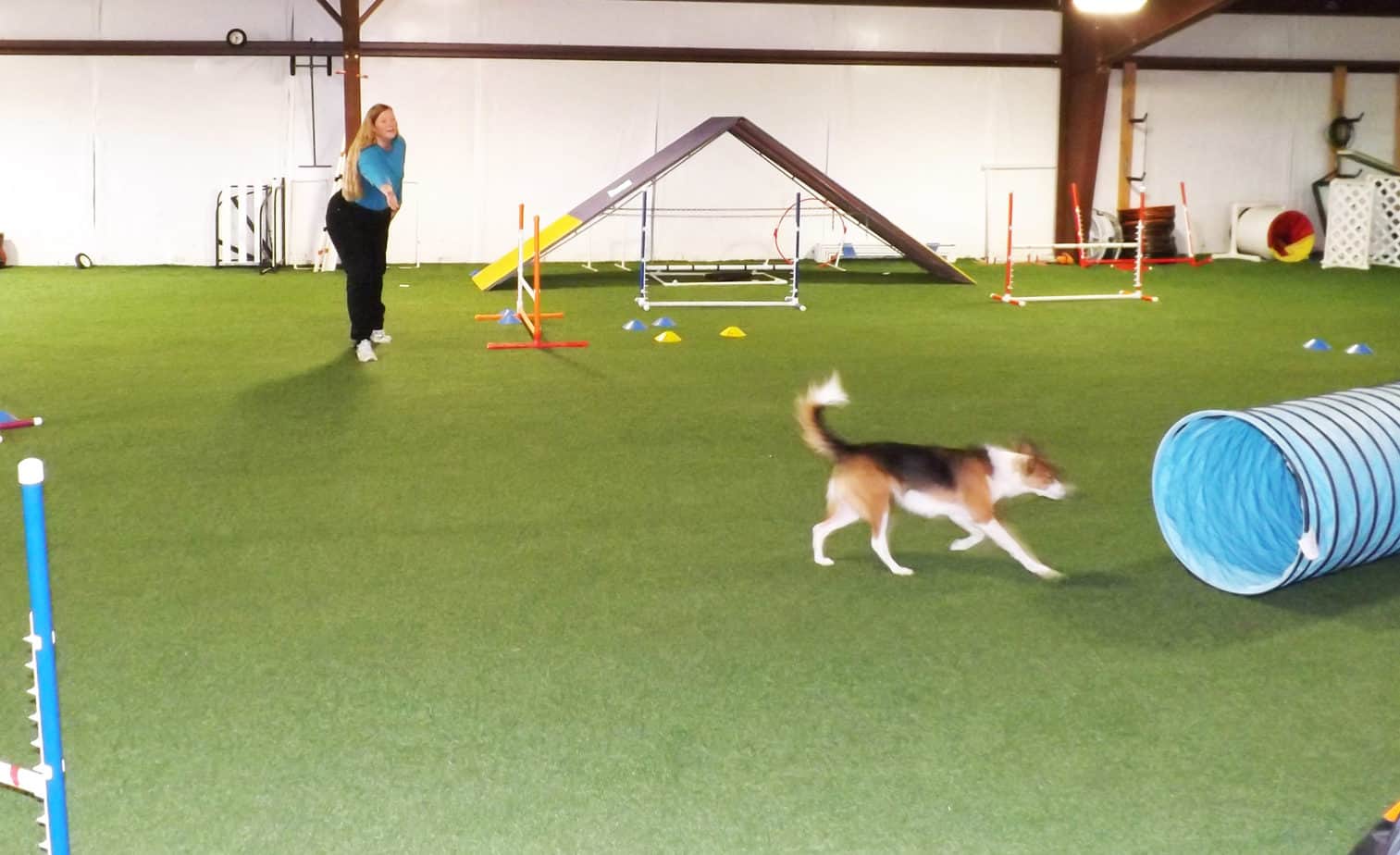
5 Dog Agility Distance Skills That Are Essential for Every Team
Want to succeed at Gamblers, FAST, and Chances? These 5 dog agility distance skills are what every team needs to handle distance confidently and consistently.