Is Your Agility Dog a Pinto or a Ferrari?

Written by Lorrie Reynolds
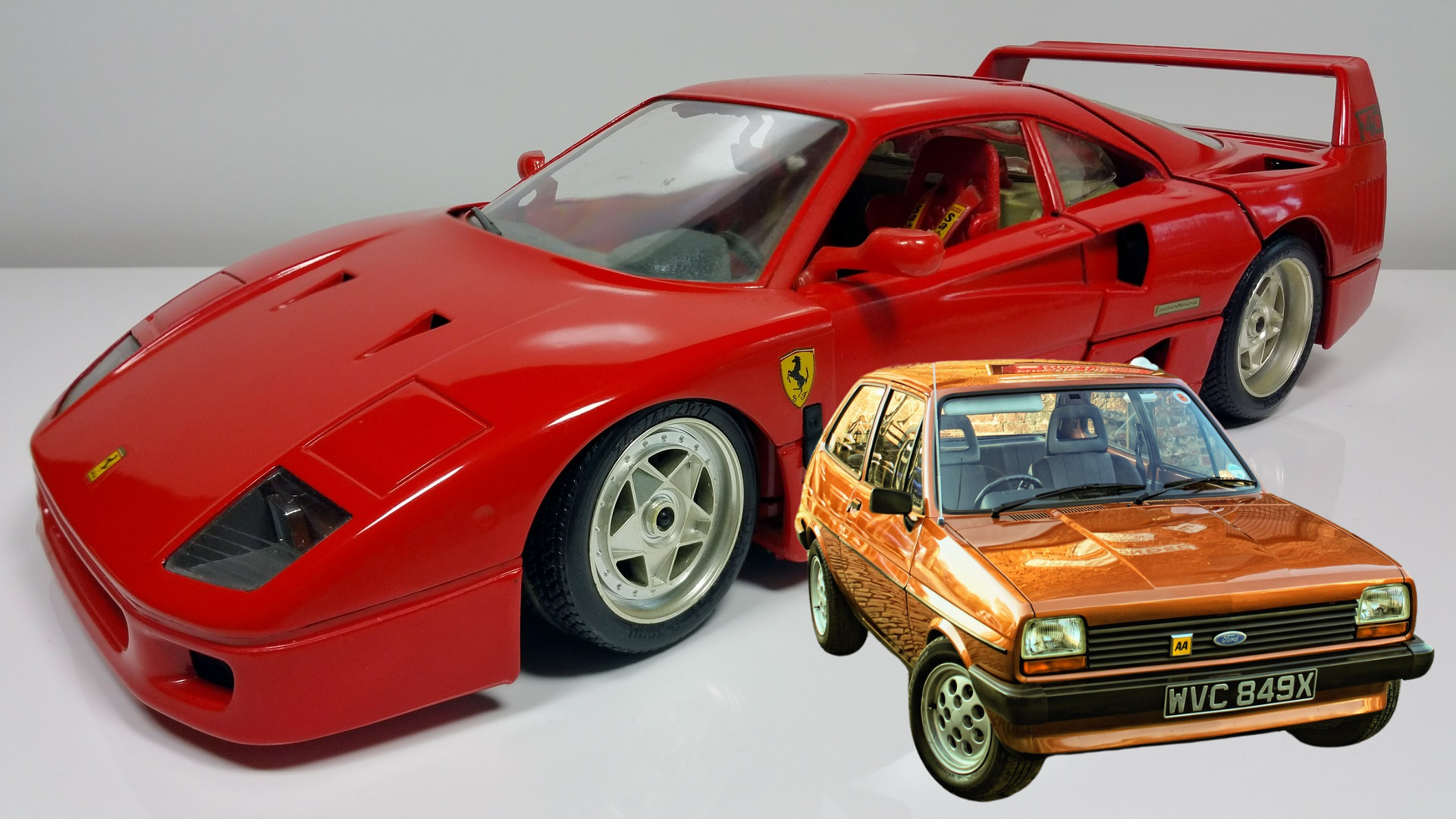
Switching to a fast agility dog can feel like learning to drive in a race car…
What kind of car did you learn to drive in? Did you learn on a side street/country road, or on the highway?
You likely didn’t start with a Ferrari on the Interstate.
I did.
Ok, not literally, but my first agility dog was definitely not a Pinto (seriously dating myself here). He could have easily made world team with an experienced handler. But…that wasn’t me. I hadn’t even HEARD of agility until the facility owner told me I needed to join her class after basic obedience.
HANDLING A FAST AGILITY DOG
Not only did I have a Ferrari rather than a Pinto, it wasn’t long before I took it on the Interstate. I’ve always been a fan of speed (note the GTO and motorcycles in my past).
In 9 months, we were at our first competition. In less than a year and a half, we went to our first Championships (NADAC).
A lot of people do things the other way around. They start with the family pet, who isn’t usually a Pinto, but is probably more like a dependable SUV.
Then they upgrade. They get a Border Collie puppy or an Aussie. All of the sudden, they can’t keep up, can’t think fast enough, and the handling that worked when they had time to fix it suddenly doesn’t cut it anymore.
If you’ve moved from a slower agility dog to a fast agility dog, handling the extra speed can feel overwhelming, but you don’t have to crash and burn.
HOW TO HANDLE A FAST AGILITY DOG SUCCESSFULLY
Communication that your dog actually pays attention to naturally on the agility course becomes even more important when you’re running a Ferrari.
Here are the things to focus on:
Clarity – Make sure that your cues are clear and that they are telling your dog what you think they are.
Consistency – Once your cues are clear, make sure you’re using them the same way every time.
Foundations – If you’ve got any gaps in your foundation, fill them in. For example, it’s really hard to run a fast dog if you don’t have a solid stay at the start line. (It can be done, but it’s extra work!)
Confidence – If your dog goes off course because he didn’t have the information fast enough, make sure he doesn’t know that you messed up. Own that off course and find a graceful way to get back on track without your dog knowing it was a “mistake”.
WHY DISTANCE HANDLING HELPS WITH FAST AGILITY DOGS
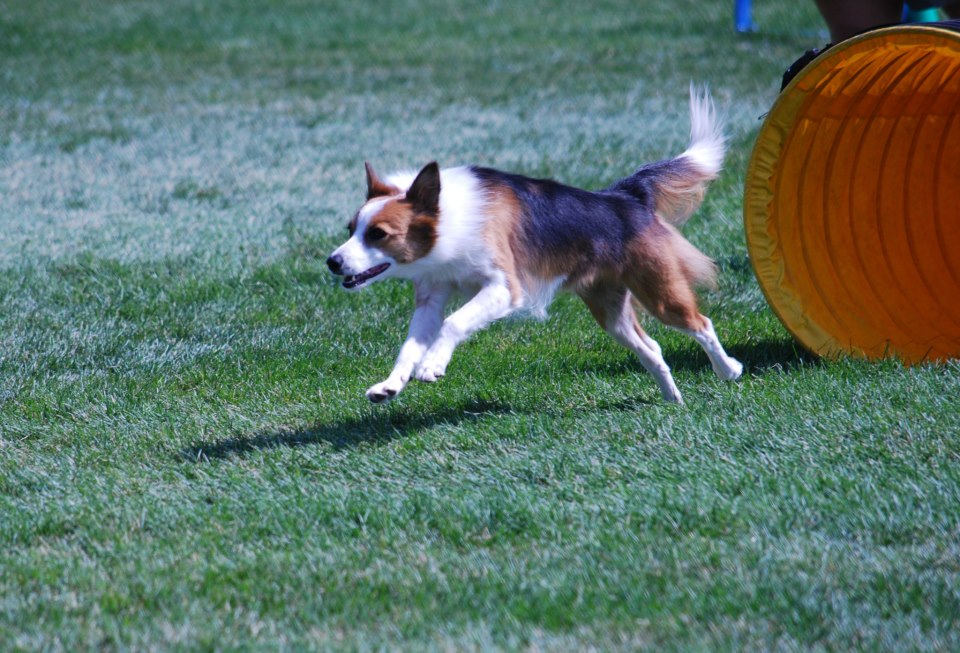
The last thing to focus on is my favorite – Distance! Developing distance handling in dog agility can make working with fast dogs significantly easier. Believe it or not, handling at a distance, at least on non-technical sections of the course, is far less taxing for the handler than handling up close. Trying to race from place to place, be consistent, and give clear cues all at the same time is hard! Being able to worry less about where you need to be and pay more attention to your cues and communication takes the pressure off and lets you focus.
ADDITIONAL RESOURCE TO HELP YOU HANDLE YOUR SPEEDY DOG
You can adapt to running a speedy agility dog, even if you started out with an SUV or a Pinto. If you want to learn more about distance handling and how it can make working with a fast dog easier, check out my book, Agility FUNdamentals for Distance, available HERE on Amazon.
You Might Also Like…
Dog Agility Contact Training: Do You Really Need Running Contacts?
Which dog agility contact method, running or stopped, is right for your team? The answer might surprise you.
Should I Use Verbal Cues for Dog Agility?
How important are verbal cues for dog agility? Find out in this article that explains how your dog perceives verbal cues on the agility field.
5 Ways to Crush It at Your Next Dog Agility Seminar
Going to a dog agility seminar so you can learn with your dog? Check out these five tips to maximize your return on investment!
Cover photo courtesy of Stover Photography.
Third photo courtesy of Dog Agility Photos for Fun.